
Skin & Hair
Hair Fall: Why Ayurveda Looks at Your Digestion, Not Just Your Scalp
Key takeaways
- Classical Ayurveda describes hair (kesha) as an upadhatu — a by-product tissue — of asthi dhatu (bone tissue), nourished only after six other tissues have been fed first, which is why hair health is traditionally linked to overall digestion, not just what's applied to the scalp.
- This 'root cause' idea is about everyday nourishment and routine, not a promise that any herb or supplement will stop hair fall or regrow hair — it doesn't.
- Ordinary habits — irregular meals, poor sleep, high stress, harsh chemical treatments, crash dieting — are traditionally linked to weaker dhatu nourishment and, indirectly, to hair health.
- Sudden, patchy, or excessive hair loss, or hair fall alongside fatigue, weight change, or scalp symptoms, needs a doctor's evaluation — Ayurveda's traditional view is background understanding, not a diagnosis or a substitute for medical care.
Is hair fall really just a scalp problem — or something Ayurveda has always looked at differently?
A handful of strands in the comb or on the pillow can feel alarming, especially with so many products promising to 'stop hair fall' overnight. Classical Ayurveda takes a slower, less dramatic view: hair is treated as one of the last tissues in the body to be nourished, which is why it often reflects what's happening elsewhere — in digestion, sleep, and daily routine — before it reflects anything to do with the scalp itself.
What does Ayurveda mean by the 'root cause' of hair health?
Classical Ayurvedic physiology describes seven dhatus (tissues) — from rasa (plasma) and rakta (blood) through to majja (marrow) and shukra (reproductive tissue) — nourished one after another in sequence, each feeding the next through digestion (agni) working on what's eaten. Hair (kesha) and nails are described as upadhatu — a secondary, by-product tissue — of asthi dhatu (bone tissue), which itself is nourished fairly late in this chain. In this traditional model, hair is one of the last tissues to receive nourishment, which is the classical reasoning behind treating hair health as connected to overall digestion and nutrition, not an isolated, scalp-only concern.
Why does Ayurveda call this a 'root cause' approach rather than treating hair on its own?
Because in this traditional model, hair sits at the end of a long nourishment chain, classical Ayurveda's approach to hair health has historically leaned toward supporting digestion, diet, and daily routine (dinacharya) as a whole — rather than treating the scalp as an isolated problem. This is a traditional way of thinking about hair health, not a claim that fixing digestion will stop hair fall; hair loss has many possible causes, and only some of them relate to nutrition or digestion at all.
What everyday habits does Ayurveda traditionally link to hair health?
A few ordinary patterns are traditionally associated with weaker dhatu nourishment over time:
- Irregular or skipped meals, which classical texts link to inconsistent agni (digestive fire) and, over time, uneven nourishment of the tissues.
- Crash dieting or very restrictive eating, which can affect the steady supply of nutrients the dhatu chain depends on.
- Chronic stress and poor sleep, both traditionally linked to Vata imbalance, which classical texts associate with dryness and depletion.
- Harsh chemical treatments, excessive heat styling, and tight hairstyles — a modern, mechanical factor alongside the traditional nourishment view.
- Prolonged low-protein or low-iron diets, which modern nutrition also links to hair thinning.
What does Ayurveda traditionally say supports hair strength?
Traditional practice has long emphasised routine over quick intervention: regular mealtimes to support steady agni, a diet with adequate protein and green vegetables, enough sleep, and dinacharya practices like shiroabhyanga (a gentle warm-oil scalp massage), which Ashtanga Hridaya describes as part of a daily routine traditionally associated with calm and nourished hair. None of this is framed in classical texts as a fast fix — it's described as steady, everyday care, the same slow logic behind Rasayana herbs traditionally valued for nourishment rather than instant results.
Does Tanvishataa stop hair fall or help hair grow back?
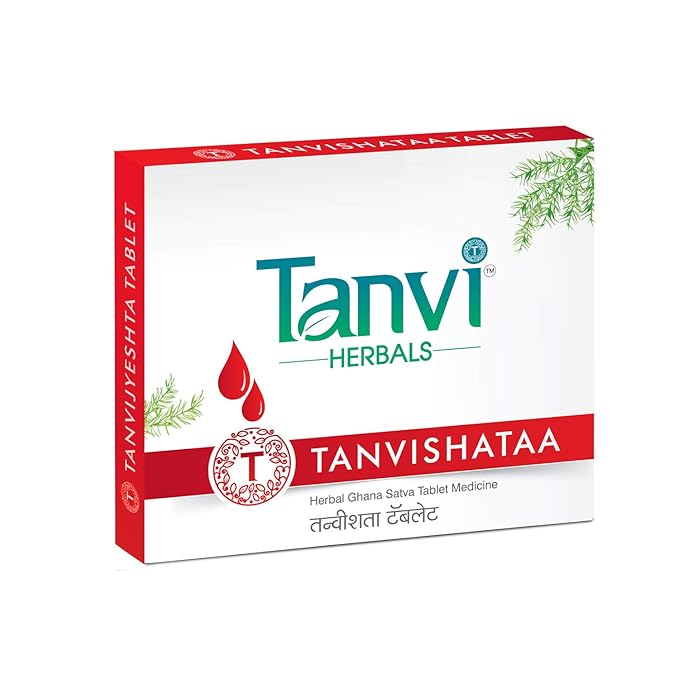
No — and it's important to be direct about this. Tanvishataa is a general wellness supplement, not a hair-fall treatment. Shatavari (80% of the disclosed extract) is traditionally valued as a Rasayana for overall nourishment, and Anantmul (5%) is traditionally associated with a cooling, rakta-prasadana quality — but neither Tanvishataa nor any of its ingredients is claimed to stop hair fall, regrow hair, or treat baldness or any hair-loss condition. It is traditionally used to nourish the body as part of an everyday wellness routine, not as a hair-fall remedy.
When does hair fall need a doctor rather than a routine change?
See a doctor — an Ayurvedic physician or a dermatologist — if hair fall is sudden, comes out in clumps, or leaves visible bald or thinning patches; if it's accompanied by fatigue, unexplained weight change, or irregular periods (which can point to a thyroid or hormonal cause); if it follows childbirth and continues heavily beyond about six months; if the scalp is red, itchy, flaky, or painful; or if there's a strong family history of pattern hair loss. These situations need a proper medical evaluation, not a wait-and-see routine.
References & further reading
- Sushruta Samhita, Sutra Sthana — the classical dhatu–upadhatu framework describing hair (kesha) and nails as by-product tissues of asthi dhatu (classical Ayurvedic text).
- Charaka Samhita, Sutra Sthana — the classical agni and dhatu-poshana (tissue-nourishment) framework underlying this traditional view of hair health (classical Ayurvedic text).
- Ashtanga Hridaya by Vagbhata, Sutra Sthana — classical dinacharya guidance including shiroabhyanga (scalp oil massage) as part of a daily routine (classical Ayurvedic text).
- These references describe traditional Ayurvedic concepts and are not statements of modern medical diagnosis or treatment efficacy.
Ayurvedic wellness tips, guides and stories — in your language.
Buy NowFrequently asked questions
Does Tanvishataa stop hair fall or help regrow hair?+
No. Tanvishataa is a general wellness supplement, not a hair-fall treatment. It does not claim to stop hair fall, regrow hair, or treat baldness or any hair-loss condition.
What does Ayurveda mean by a 'root cause' approach to hair fall?+
Classical Ayurveda describes hair as one of the last tissues nourished in a long digestive chain (the dhatu framework), so traditional practice has focused on overall digestion, diet and daily routine rather than treating the scalp in isolation. It's a traditional way of thinking about hair health, not a guarantee that improving digestion will stop hair fall.
Can poor digestion actually affect hair health?+
Classical Ayurvedic texts describe a sequential nourishment chain (agni feeding the dhatus in order) that places hair near the end, which is the traditional reasoning behind linking digestion to hair health. This is a classical physiological model, not a proven modern mechanism, and hair loss has many causes unrelated to digestion.
Which Ayurvedic herbs are traditionally linked to hair nourishment?+
Shatavari is traditionally valued as a Rasayana for general nourishment, and Anantmul (Sariva) is traditionally associated with a cooling, rakta-prasadana quality. These are traditional associations with overall nourishment, not claims of treating hair fall — see our guide to Anantmul's traditional uses for more detail.
When should hair fall be checked by a doctor rather than managed with routine changes?+
If hair fall is sudden, comes out in clumps or patches, is accompanied by fatigue, weight change or irregular periods, follows childbirth and continues heavily past about six months, or if the scalp looks red, itchy or flaky, see a doctor or dermatologist rather than waiting.
Dr Rucha Mehendale Pai
BAMS (Ayurvedacharya) · Nadi Parikshan Expert
Dr Rucha is an Ayurvedic physician with over a decade of clinical practice in women’s health, digestion and lifestyle wellness, and the formulator behind Tanvi Herbals’ Tanvishataa. She writes to bring authentic, everyday Ayurveda to families across India.