Some days feel non-stop — messages, tasks, a mind jumping from one thing to the next — yet by evening you're both wound up and worn out. Dr Rucha explains Ayurveda's view of Vata-type restlessness, why it isn't the same as real energy, and a grounding routine that actually helps.
Working late, then scrolling in bed — and your mind won't switch off. Dr Rucha explains Ayurveda's view of Pitta and the overactive mind at night, and a simple cooling wind-down that goes beyond just "put the phone away."
When both partners are working long, mismatched hours, even a simple shared routine can slip away. Dr Rucha shares three small daily anchors — and where a shared Rasayana habit like Tanvishataa fits in — for couples juggling two careers under one roof.
With duplicate and counterfeit herbal products spreading fast online, Dr Rucha shares a practical, doctor-led checklist for telling a genuine Ayurvedic supplement from a fake one — before you buy, and after it arrives.
A 10 pm dinner after a long commute, then straight to bed — and the burning starts before you've even fallen asleep. Dr Rucha explains why Ayurveda treats a late dinner differently from a late lunch, and simple dinacharya habits that help.
Diwali sweets, late dinners, second helpings — festival season is also acidity season. Dr Rucha explains the Ayurvedic view of festival overeating and simple habits to enjoy it without paying for it later.
Every strand in the comb can feel alarming — and just as many 'quick fixes' promise to stop it overnight. Ayurveda takes a different, slower view: hair as one of the last tissues nourished in a long digestive chain. A doctor-led look at what that root-cause idea actually means, and where it doesn't apply.
Sour burps, a burning climb after a heavy meal, a stomach that just won't settle — Ayurveda has had a name for this pattern for centuries. A doctor-led look at what Amlapitta means, how classical texts describe it, and where it fits (and doesn't) with a herbal supplement like Tanvishataa.
Some days your stomach handles chilli and chai just fine. Other days, the same lunch leaves you reaching for cold water by evening. A doctor-led, food-first look at what Ayurveda traditionally calls 'cooling' — and which everyday foods fit a Pitta-type stomach.
A 20-something starting their first job, a parent juggling everything, grandparents easing into a slower rhythm — one household, three very different bodies. A doctor-led look at what Ayurveda says stays the same across ages, what changes, and where care needs to be personalised.
Why does a cup of chai feel like the only way through 3 p.m.? Ayurveda's Rasayana herbs work on energy differently — nourishing the body's tissues gradually instead of chasing a quick spike. A doctor-led look at ojas, Shatavari and Guduchi's traditional role, and the daily habits that support steady energy.
That week you always seem to catch a cold when the weather turns has a name in Ayurveda — ritu sandhi. Here's the classical explanation, and the gentle daily habits traditionally used to help the body settle into a new season.
Every Tanvishataa blog post cites the same three texts — Charaka Samhita, Sushruta Samhita, Ashtanga Hridaya. Dr Rucha explains what each one actually is, what it covers, and why practising Ayurvedic doctors still turn to them today.
Every common question about Guduchi (Gulvel/Giloy) answered in one place. Dr Rucha explains what Guduchi is, its classical qualities, its traditional uses beyond immunity, and who it traditionally suits.
Ever seen "Ghana Satva" on an Ayurvedic label and wondered what it means? A doctor-led look at the classical method of concentrating herbs into a measured extract — and why the process itself matters.
One of the most common questions Indian families ask their doctor — can Ayurvedic and allopathic treatment be used side by side? A doctor-led, honest look at individual suitability, timing, and the one rule you should never break.
A plain-English guide to Rasayana — the classical Ayurvedic category of rejuvenative, ojas-building herbs like Shatavari and Guduchi. What the word means, how these herbs are traditionally used, and why they're taken over time, not overnight.
As parents grow older, small daily habits matter more than ever. Dr Rucha explains what classical Ayurveda says about the later years — gentle routine, warm food, and traditional herbs — and when it's time to see a doctor.
That knot in your stomach before an exam or a big meeting isn't just in your head. Dr Rucha explains what Ayurveda says about the stress-digestion connection, and simple traditional ways to support your agni when life gets hectic.
Every common question about Shatavari, answered in one place. Dr Rucha explains what Shatavari is, its classical qualities, its traditional uses beyond just women's wellness, and who it traditionally suits.
Why morning acidity so often strikes before you’ve eaten anything, how the Indian habit of chai-before-breakfast can make it worse, and what Ayurveda traditionally suggests — timely meals and cooling herbs like Anantmul and Shatavari.
Meet the herb that balances Tanvishataa's warming duo. Dr Rucha explains what Anantmul (Sariva) is, its classical cooling qualities, and its traditional link to skin wellness.
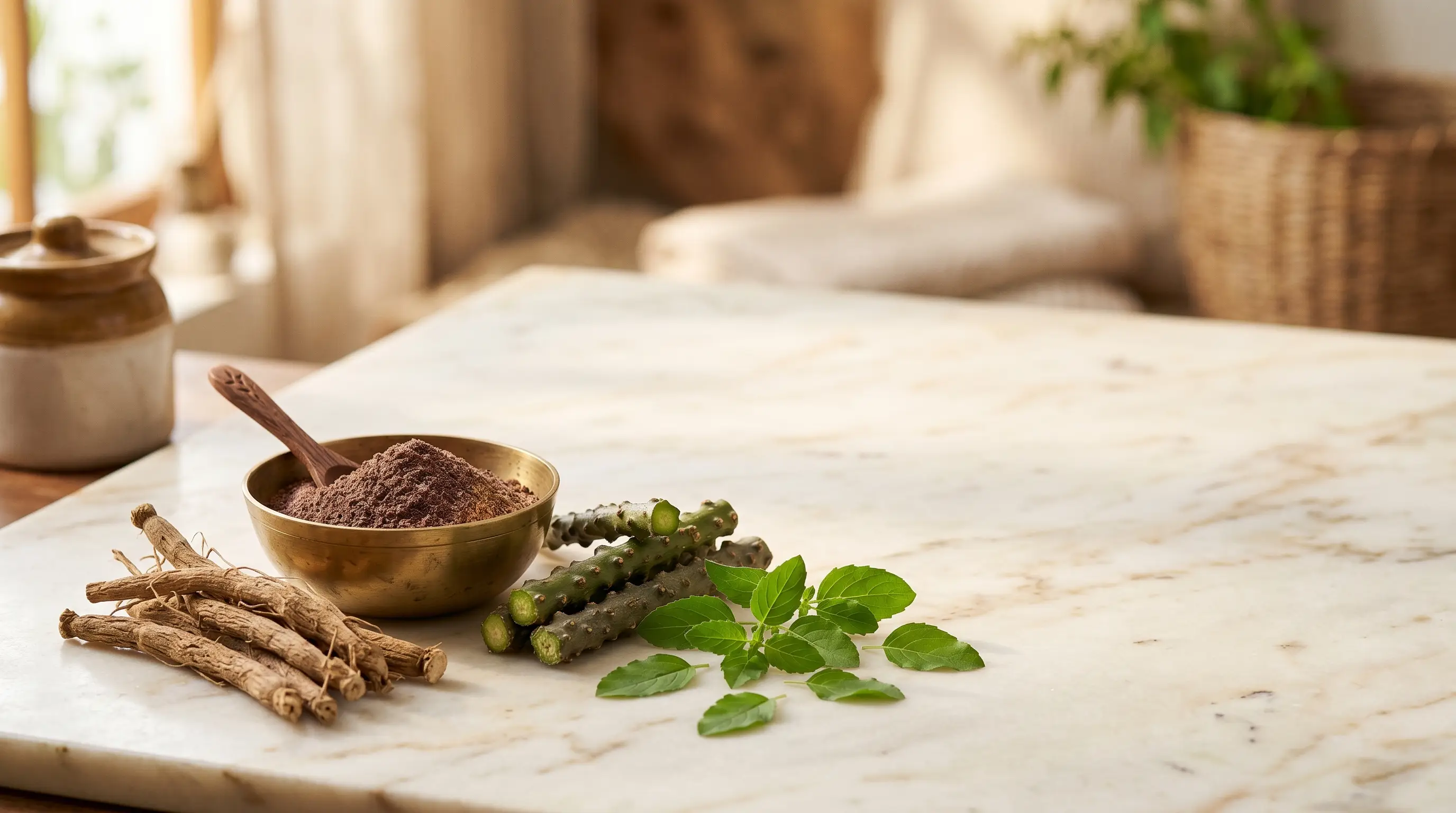
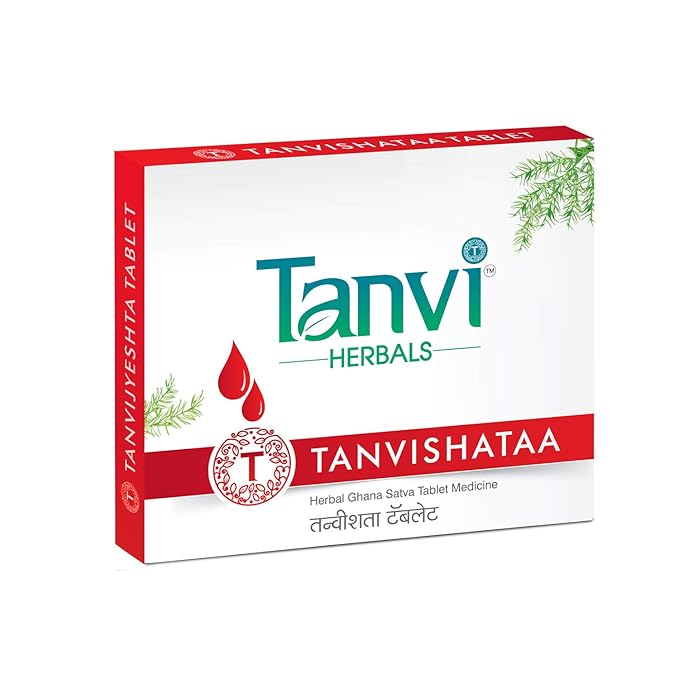
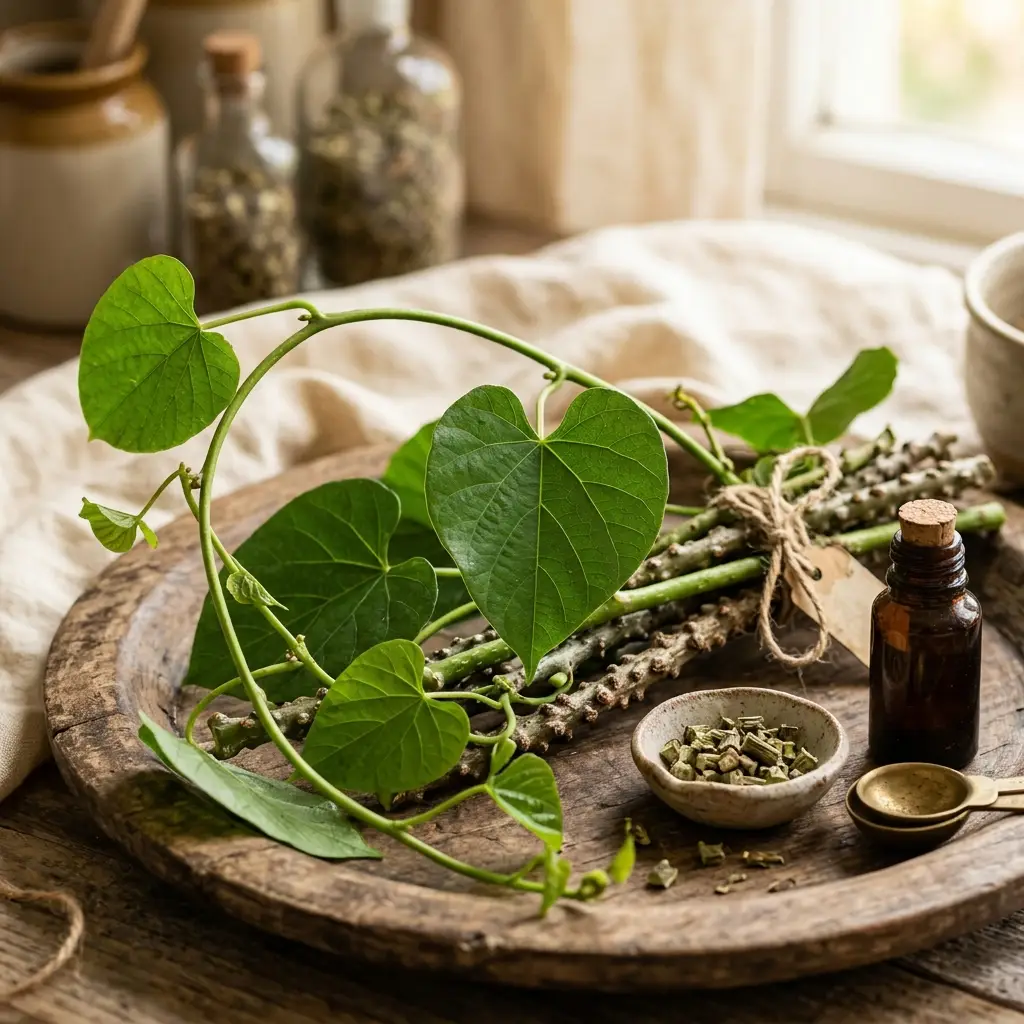
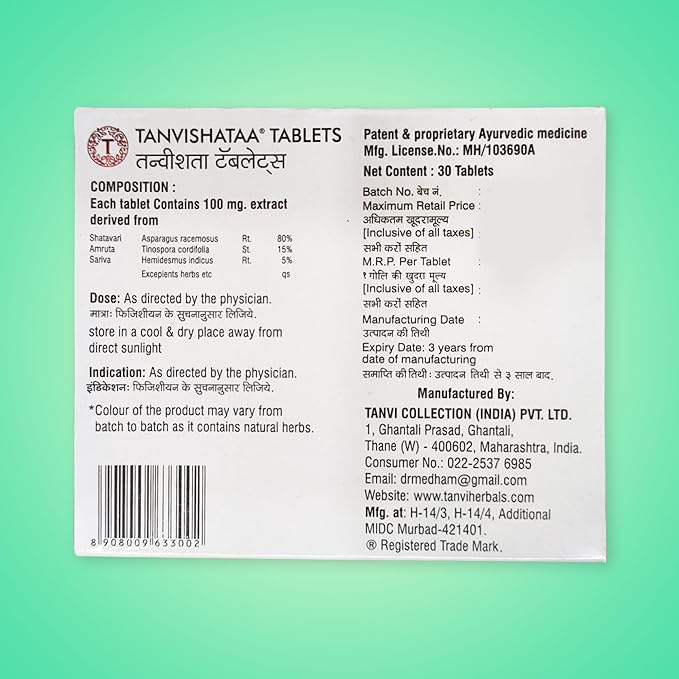
Not a single-herb capsule — a classical three-herb Ayurvedic formulation. Dr Rucha explains why Shatavari, Guduchi and Anantmul are combined, and what each one traditionally brings to Tanvishataa.
A practicing Ayurvedic doctor's honest routine for busy working women — small daily anchors, not spa days, that traditionally support energy, calm and balance through a demanding schedule.
A practicing Ayurvedic doctor answers the question families ask most often — what "safe" really means in Ayurveda, the real warning signs to watch for, and how a genuine herbal product should be made.
A plain-English guide to agni — Ayurveda's idea of digestive and metabolic fire. What it means, why it matters more than just "good digestion," and how Ayurveda traditionally keeps it steady.
Why so many of us lie awake with a racing mind even when we're exhausted — and a simple, doctor-led Ayurvedic evening routine (ratricharya) traditionally used to help the body and mind settle into restful sleep.
Why gas and bloating creep in after meals, what Ayurveda means by mandagni (weak digestive fire), and gentle daily habits — plus where Tanvishataa fits into the routine.
Why so many of us feel run down once the rains arrive — and a simple, doctor-led Ayurvedic daily routine (ritucharya) traditionally used to support the body’s natural resilience through the monsoon.
A plain-English introduction to Ayurveda’s three doshas — what Vata, Pitta and Kapha mean, how they shape your everyday tendencies, and why understanding your constitution is the starting point of Ayurvedic wellness.
An ayurvedic remedy for glowing skin rarely starts on your face. Discover why Ayurveda reads skin as a reflection of digestion, and the cooling herbs traditionally used to support a healthy glow from within.
The afternoon slump is so common we treat it as normal. Here is how Ayurveda understands everyday tiredness — and the gentle, Rasayana way it suggests building steadier energy.
Why Ayurveda calls Shatavari the queen of herbs, what the classical texts traditionally say about it, and how it fits gently into a modern woman’s busy day.
What Guduchi (Giloy / Gulvel) really is, why Ayurveda calls it a Rasayana, and how this time-honoured herb is traditionally used to support the body’s natural resilience.
Why everyday acidity happens, what classical Ayurveda says about it, and five simple daily habits — plus where a herbal companion like Tanvishataa fits in.