
Acidity & Digestion
Bloating & Gas After Meals: The Ayurvedic View of Weak Agni
Key takeaways
- Gas and bloating after meals are, in Ayurveda, most often linked to mandagni — a digestive fire that has become slow or irregular, not a disease in itself.
- Common everyday triggers include eating too fast, combining incompatible foods (viruddha ahara), cold drinks with meals, and eating again before the last meal is digested.
- Simple dinacharya habits — warm food, mindful eating, a short walk after meals — are traditionally used to support agni and ease occasional bloating.
- Tanvishataa's Guduchi is traditionally valued for its deepan-pachana (digestion-supporting) quality as part of a daily routine.
Why do you get gas and bloating after eating?
Almost everyone has felt it — trousers feel tighter, and a dull, gassy heaviness sits in the stomach an hour after a meal. It's uncomfortable, and it's extremely common — but Ayurveda doesn't see it as random. It sees it as a sign that agni, the digestive fire, was not strong enough to fully process what you just ate.
What does Ayurveda mean by mandagni (weak agni)?
Classical Ayurveda describes agni as the force behind every stage of digestion — breaking food down, absorbing nutrition, and clearing what the body doesn't need. When agni works well, food becomes nourishment. When it slows down — a state called mandagni — food tends to linger in the gut, ferment, and produce the gas and heaviness so many people recognise after a big or badly timed meal.
What commonly triggers bloating, the Ayurvedic way?
Most everyday bloating isn't a mystery once you look at the habits around a meal rather than just the meal itself.
Viruddha ahara — incompatible food combinations
Ayurveda has long cautioned against certain combinations it considers viruddha (incompatible) — such as milk with sour fruit, or very cold drinks alongside hot, oily food. These combinations are traditionally believed to confuse agni and are a common, everyday cause of gas.
Eating in a hurry, or eating when the last meal isn't digested
Wolfing down food, talking or scrolling through a screen while eating, or starting a new meal before the previous one is digested are all considered to overload agni rather than support it.
- Icy drinks or ice cream immediately after a meal
- Deep-fried, very heavy or reheated food eaten late at night
- Skipping meals and then overeating out of hunger
- Frequent snacking that never lets agni rest between meals
- Eating while stressed, anxious, or distracted
How can you traditionally ease bloating after meals?
Ayurveda's approach to occasional bloating is gentle and habit-led rather than a quick fix.
- Favour warm, freshly cooked, lightly spiced food over cold or raw meals
- Eat at a relaxed pace, seated, without distractions
- Sip warm water through the meal instead of iced drinks
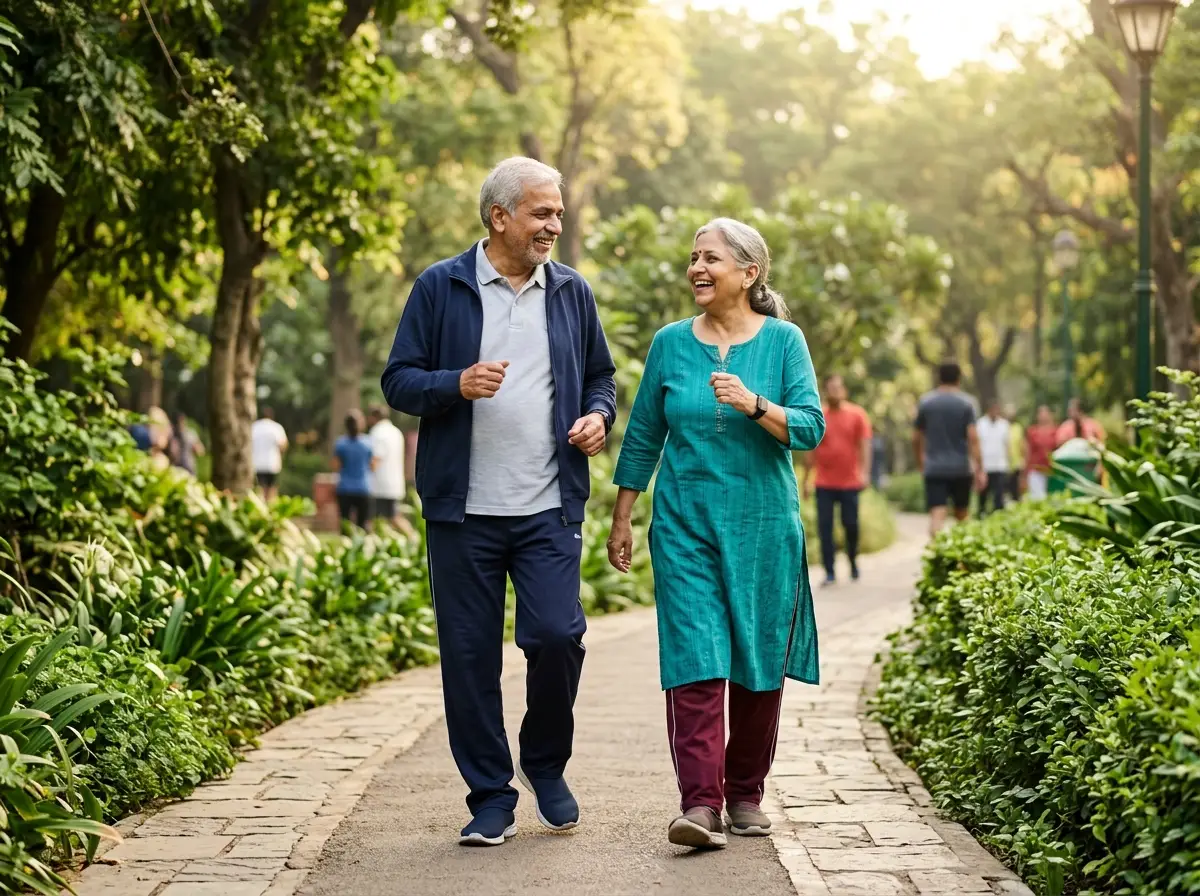
- Take a short, unhurried walk (shatapavali — roughly a hundred steps) after eating
- Leave a gap of at least a few hours between meals so agni isn't constantly restarting
- Warm cumin (jeera) or ajwain water is a traditional after-meal sip many households use
Where does a herbal routine like Tanvishataa fit in?
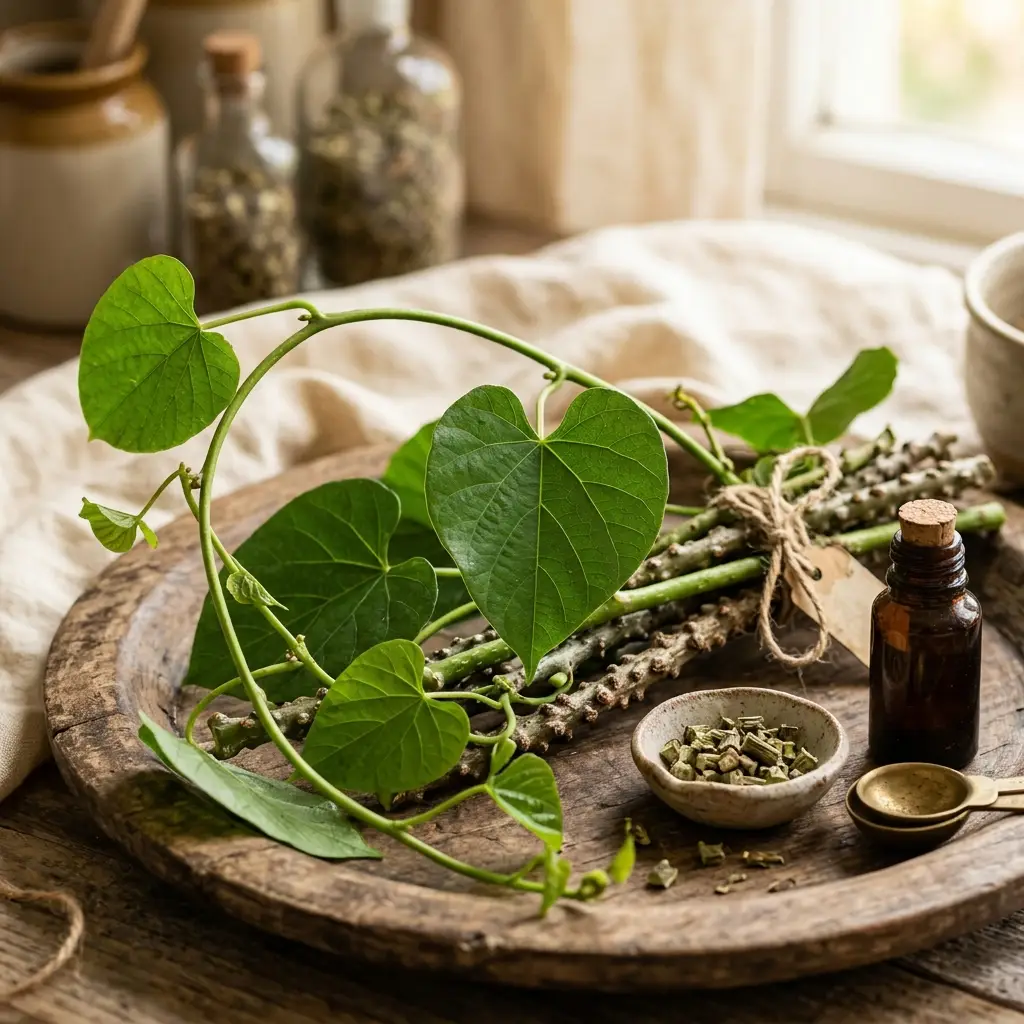
Tanvishataa brings together Shatavari, Guduchi (Gulvel) and Anantmul as a Ghana Satva (concentrated extract) tablet. Guduchi in particular is traditionally described as deepana-pachana — supportive of agni — which is why the formulation is traditionally used as part of a daily routine for digestive comfort, alongside the everyday habits above, and not as a stand-alone fix eaten only when bloating strikes.
When should bloating be checked by a doctor?
Occasional gas and bloating after a heavy or unusual meal is common and, for most people, not a cause for worry. But persistent bloating, bloating with unexplained weight loss, blood in the stool, severe or worsening pain, continuous vomiting, or bloating that doesn't ease with simple changes should be assessed by a qualified doctor — these can point to conditions a herbal routine is not designed to address. If you are pregnant, breastfeeding, managing a chronic digestive condition, or on regular medication, speak to your physician before adding any herbal supplement, and never stop a prescribed treatment on your own.
References & further reading
- Charaka Samhita — the four states of agni (tikshna, manda, sama, vishama) and the concept of ama (classical Ayurvedic text).
- Sushruta Samhita — classical descriptions of digestion and gut health (classical Ayurvedic text).
- Ashtanga Hridaya by Vagbhata — ahara vidhi (principles of eating) and viruddha ahara, incompatible food combinations (classical Ayurvedic text).
- These references describe traditional Ayurvedic concepts and are not statements of medical fact.
Ayurvedic wellness tips, guides and stories — in your language.
Buy NowFrequently asked questions
Is gas after every meal normal?+
Occasional gas after a heavy, oily or unusually timed meal is common. In Ayurveda it's often linked to mandagni (weak digestive fire) rather than a specific disease. If it happens after nearly every meal, persists, or comes with pain or weight loss, it's worth discussing with a doctor.
What is viruddha ahara?+
Viruddha ahara refers to food combinations classical Ayurveda considers incompatible — such as milk with sour fruit or very cold drinks with hot, oily food. These are traditionally believed to disturb agni and contribute to gas and bloating.
Can Tanvishataa cure bloating or IBS?+
No. Tanvishataa is a herbal wellness supplement; Guduchi within it is traditionally used to support agni as part of a daily routine. It does not treat, cure or replace medical care for IBS or any digestive disorder — please see a doctor for diagnosis.
Does stress cause bloating?+
Ayurveda has long linked the mind and digestion closely — eating while anxious or distracted is traditionally considered a strain on agni. Many people notice their digestion feels calmer when meals are eaten in a relaxed setting.
What is a simple daily habit to reduce bloating?+
A short, unhurried walk after meals — traditionally called shatapavali, roughly a hundred steps — along with eating warm, freshly cooked food at a relaxed pace, are among the simplest habits Ayurveda recommends.
Dr Rucha Mehendale Pai
BAMS (Ayurvedacharya) · Nadi Parikshan Expert
Dr Rucha is an Ayurvedic physician with over a decade of clinical practice in women’s health, digestion and lifestyle wellness, and the formulator behind Tanvi Herbals’ Tanvishataa. She writes to bring authentic, everyday Ayurveda to families across India.