
Immunity
Monsoon Immunity: An Ayurvedic Daily Routine for the Rainy Season

Key takeaways
- In Ayurveda, the monsoon (varsha ritu) is when agni — the digestive fire — is naturally at its weakest and Vata is easily aggravated, which is why many people feel low and unsettled.
- Classical ritucharya (seasonal routine) guidance centres on protecting digestion: warm, freshly cooked food, boiled water, and lighter meals.
- Lasting monsoon wellness is built through daily habits, not a single “boost” — steady agni keeps the body resilient through the damp, changeable weeks.
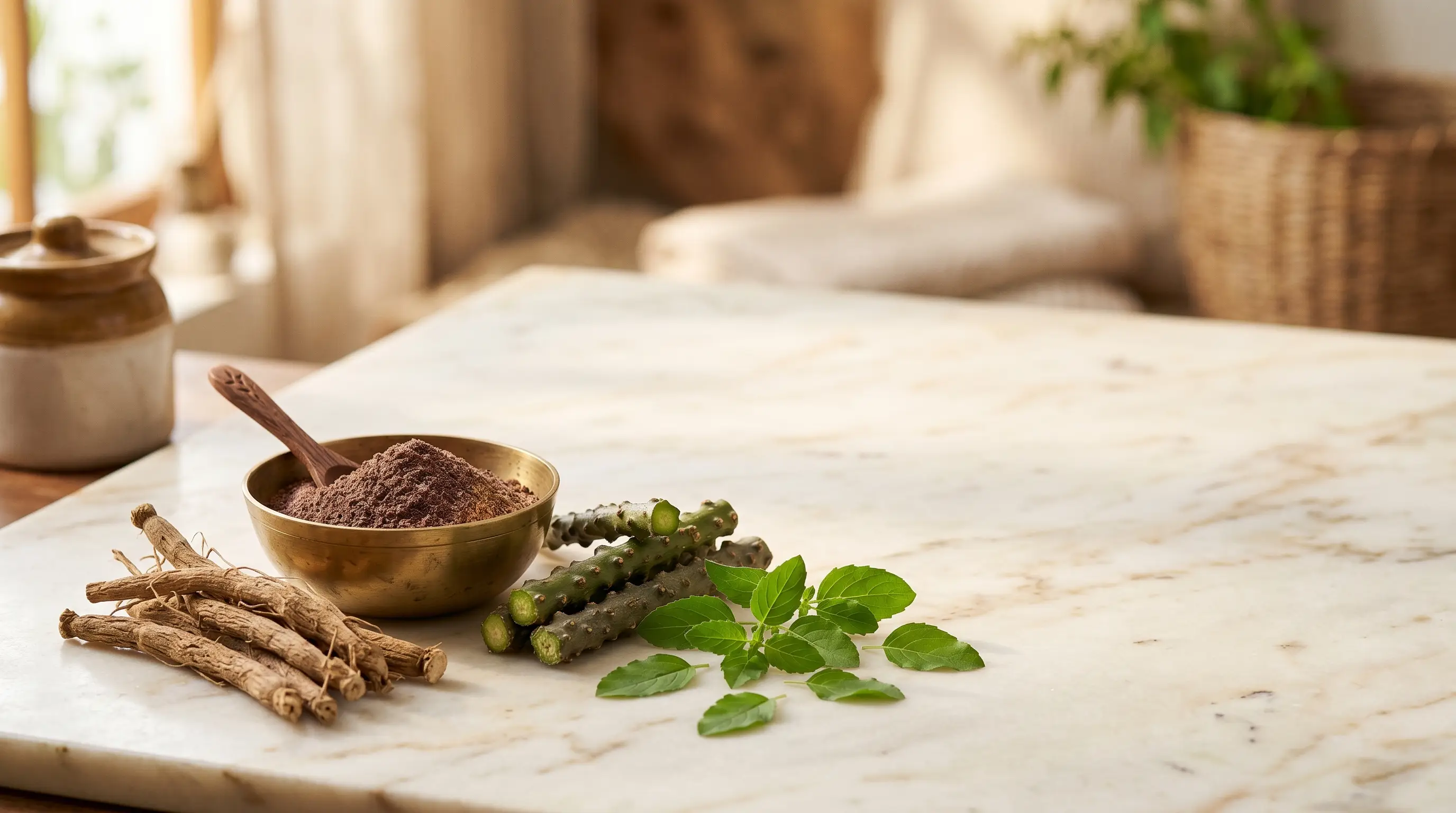
- Rasayana herbs such as Guduchi (one of the three herbs in Tanvishataa) are traditionally turned to during the rains, as part of a routine and alongside a physician’s guidance.
Why does the monsoon leave so many of us feeling low?
There is a reason the first heavy rains so often arrive with a runny nose, a heavy stomach and a general sense of sluggishness. Ayurveda described this pattern thousands of years ago, and the explanation still rings true today.
In the classical seasonal framework, the monsoon — varsha ritu — is the time when agni, the digestive fire, is naturally at its lowest ebb. The damp, cool, changeable weather unsettles Vata and lays the ground for Pitta to build up. When digestion is weak and the doshas are restless, food turns more easily into ama (undigested residue) rather than nourishment, and the body feels less resilient.
What does Ayurveda’s ritucharya say about the rains?
Ayurveda devotes whole chapters to ritucharya — the art of adjusting daily life to the season. Far from treating the monsoon as something to simply endure, the classical texts give detailed, practical guidance for eating, drinking and living in a way that protects the body when it is most vulnerable.
What does an Ayurvedic monsoon day look like?
None of this requires anything exotic. A sensible monsoon routine is mostly about gentle, consistent choices that keep your agni kindled and your body warm and dry.
Eat warm, freshly cooked, lighter food
This is the heart of monsoon ritucharya. Favour warm, freshly cooked meals — think soups, dals, khichdi and cooked vegetables with warming spices such as ginger, black pepper, cumin and ajwain. Go easy on raw salads, cold leftovers and heavy, oily or fried food, all of which ask more of an already-slow digestive fire.
Drink water that has been boiled
Classical texts specifically recommend boiled (and cooled) water during the rains, when waterborne troubles are most common. A flask of warm water sipped through the day is one of the simplest, most traditional monsoon habits there is. A little fresh ginger or tulsi can make it more pleasant.
Keep agni gently kindled
Do not skip meals or overeat, and let dinner be early and light. Gentle daily movement — a walk between showers, some easy yoga indoors — keeps Vata settled without exhausting you. Dry yourself and change out of damp clothes promptly; staying warm and dry matters more in the monsoon than at any other time of year.
- Warm, freshly cooked, lightly spiced meals over raw, cold or heavy food
- Boiled water, sipped warm through the day
- An early, light dinner — and no skipping meals
- Gentle daily movement, and staying warm and dry
- A steady daily routine (dinacharya) rather than late, irregular nights
Where do Rasayana herbs fit into the monsoon?
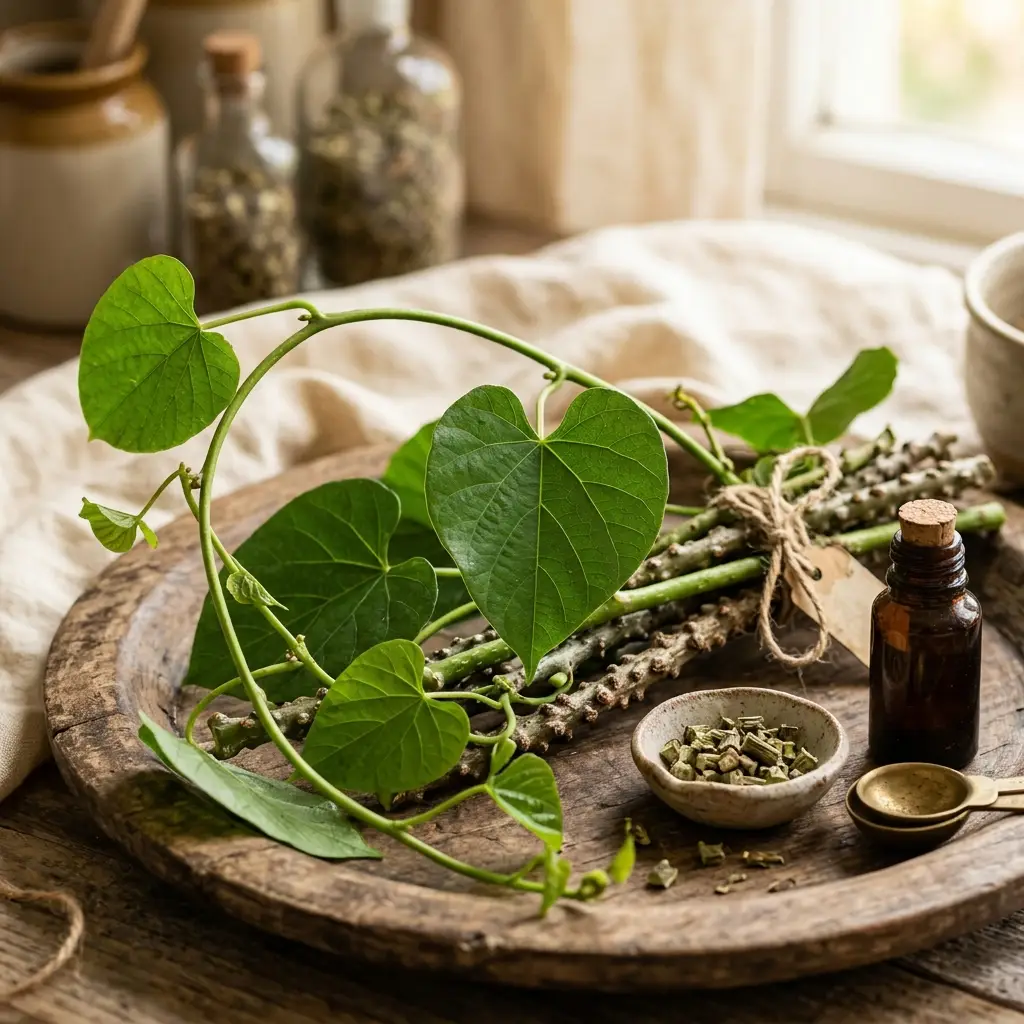
Alongside food and routine, Ayurveda has long turned to Rasayana — rejuvenating herbs traditionally used to maintain strength and the body’s natural resilience over time. Guduchi (Gulvel) is the classic monsoon example; many Indian families still remember a grandmother boiling its stem when the rains set in.
Tanvishataa brings Guduchi together with Shatavari and Anantmul in a single daily tablet, made by the classical Ghana Satva (concentrated extract) method. Used as part of a balanced monsoon routine — not as a quick fix, and not as a replacement for medical care — it is traditionally meant to support your everyday resilience through the season, generally taken as advised by your physician.
When should the monsoon send you to a doctor?
A daily routine that supports everyday wellness is not a substitute for medical care, and the monsoon is exactly the season to take symptoms seriously. A high or persistent fever, breathlessness, severe stomach upset or dehydration, or any infection that is worsening needs a qualified doctor without delay — not a supplement. If you are pregnant, breastfeeding, managing a long-term condition or on regular medication, speak to your physician before adding any herb, and never stop prescribed treatment on your own.
References & further reading
- Ashtanga Hridaya by Vagbhata — Ritucharya: varsha ritu (monsoon) diet and routine (classical Ayurvedic text).
- Charaka Samhita — Rasayana dravyas and seasonal strength (classical Ayurvedic text).
- Sushruta Samhita — agni, ama and seasonal digestion (classical Ayurvedic text).
- These references describe traditional Ayurvedic concepts and are not statements of medical fact.
Ayurvedic wellness tips, guides and stories — in your language.
Buy NowFrequently asked questions
Why does immunity feel lower during the monsoon?+
In Ayurveda, the monsoon (varsha ritu) is when agni — the digestive fire — is naturally weakest and Vata is easily aggravated. Weaker digestion and unsettled doshas are why many people feel run down. The classical answer is to protect digestion with warm, light food and boiled water.
What should I eat during the rainy season?+
Favour warm, freshly cooked, lightly spiced meals — soups, dals, khichdi, cooked vegetables — and go easy on raw salads, cold leftovers and heavy fried food. Sip warm, boiled water through the day. This is the heart of monsoon ritucharya.
Is boiled water really necessary in the monsoon?+
Classical texts specifically recommend boiled (and cooled) water during the rains, when waterborne troubles are most common. Warm, boiled water is one of the simplest and most traditional monsoon habits there is.
Can Tanvishataa be taken during the monsoon?+
Tanvishataa is a herbal wellness supplement traditionally used to support everyday immunity and digestion, including through the rainy season, as part of a routine. Take it as advised by your physician; it is not a treatment for any infection or disease.
Does an Ayurvedic routine prevent monsoon illness?+
No. A seasonal routine is traditionally used to support the body’s natural resilience — it is not a guarantee against illness. Fever, infection or any worsening symptom in the monsoon should be assessed by a qualified doctor.
Dr Rucha Mehendale Pai
BAMS (Ayurvedacharya) · Nadi Parikshan Expert
Dr Rucha is an Ayurvedic physician with over a decade of clinical practice in women’s health, digestion and lifestyle wellness, and the formulator behind Tanvi Herbals’ Tanvishataa. She writes to bring authentic, everyday Ayurveda to families across India.