
Skin & Hair
Glow From Within: Why Ayurveda Treats Skin as a Digestion Story
Key takeaways
- Ayurveda reads skin as a mirror of digestion: when agni (digestive fire) and the tissues are well, the skin tends to look clear and bright.
- Classical texts describe a group of varnya herbs — traditionally used to support a healthy complexion and skin wellness — rather than to “whiten” skin.
- Anantmul (Sariva) and Shatavari, two of the herbs in Tanvishataa, are classically valued as cooling, skin-friendly Rasayana herbs.
- Lasting glow in Ayurveda is a slow, inside-out result of routine — diet, sleep, hydration and gentle herbs — not an overnight fix.
Why does Ayurveda look at your gut to explain your skin?
If you have ever noticed your skin look dull after a week of late nights, heavy food and not enough water, you have already seen the idea at the heart of Ayurvedic skin care. Ayurveda does not treat the skin as a separate surface to be polished; it treats it as the final, visible layer of a long chain of digestion and nourishment. Glowing skin, in this view, is mostly a digestion story.
The logic is simple. Food you eat is transformed, stage by stage, into the body’s tissues (dhatus). Skin sits near the end of that chain. When digestion — agni — is steady and the earlier tissues are well nourished, the skin tends to look clear and bright. When digestion is sluggish and ama (undigested residue) builds up, the complexion is often the first place it shows.
What do the classical texts say about skin?
Ayurveda’s foundational works pay close attention to varna — complexion — and group certain herbs as varnya, traditionally used to support a healthy, even complexion and skin wellness. Importantly, this is the language of nourishment and balance, not of bleaching or fairness.
Which herbs does Ayurveda traditionally use for skin wellness?
Because Ayurveda links most skin concerns to heat (Pitta) and the blood tissue, the herbs traditionally turned to for the skin tend to be cooling and gently purifying. Two of them sit inside Tanvishataa.
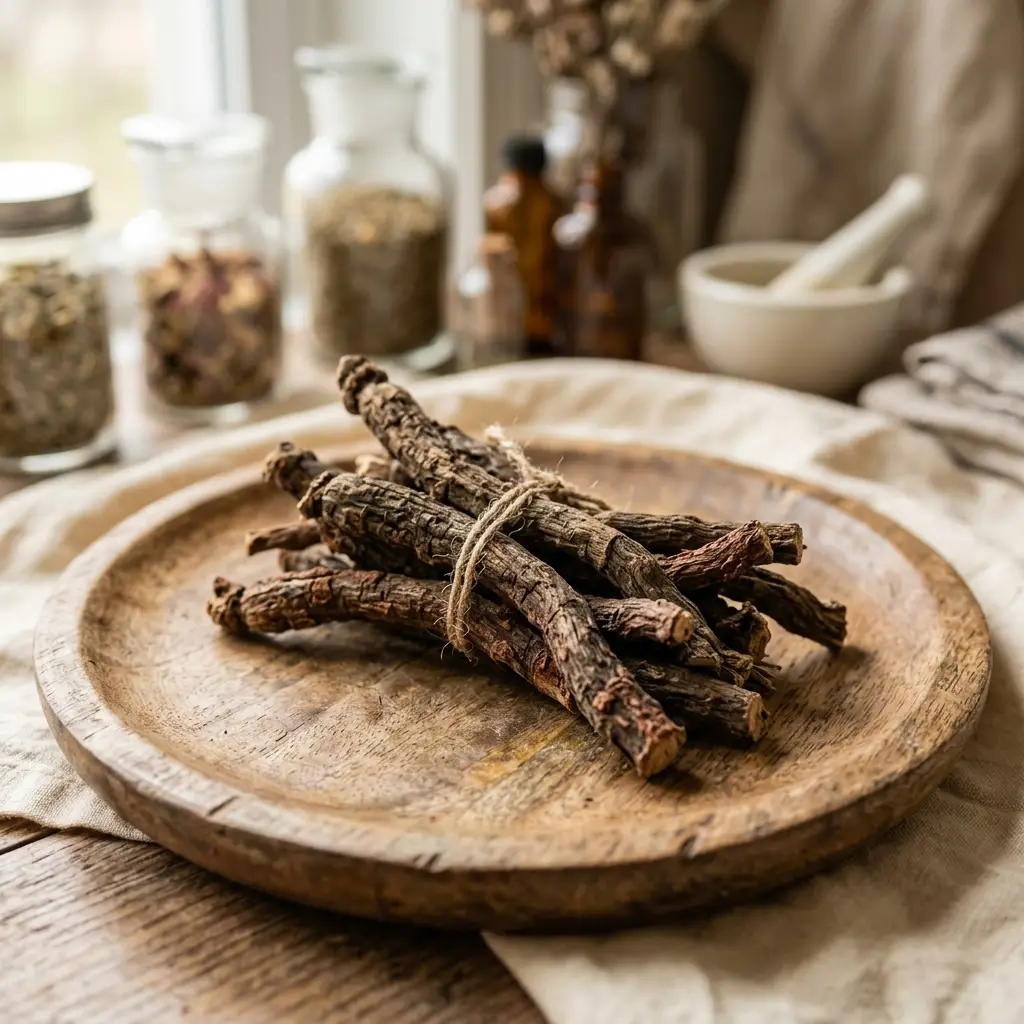
Anantmul (Sariva): the cooling skin herb
Anantmul — Sariva in Sanskrit — is one of Ayurveda’s most respected cooling herbs. It is classically described as supporting the blood tissue and a calm, balanced Pitta, which is why it is traditionally associated with skin wellness and a clear complexion from within.
Shatavari: nourishment that shows on the skin
Shatavari is best known as a women’s Rasayana, but in Ayurveda nourishment and skin are closely linked. As a cooling, nourishing herb, it is traditionally valued for supporting the well-nourished tissues that healthy skin depends on.
- Ayurveda groups skin-supportive herbs as varnya — for complexion wellness, not fairness
- Cooling herbs are favoured because skin is linked to Pitta and the blood tissue
- Anantmul (Sariva) is a classic cooling, skin-friendly herb
- Shatavari supports the deep nourishment that skin reflects
How do you support glow from within, day to day?
Ayurveda would gently point you back to the basics before any herb: eat warm, fresh food at regular times so digestion stays steady; drink enough water; sleep before the night gets late; and protect your skin from harsh sun. These ordinary habits do more for a lasting glow than any quick remedy.
Alongside a healthy routine, gentle Rasayana herbs are traditionally used to support the body from the inside. Tanvishataa brings Shatavari, Guduchi and Anantmul together using the classical “Ghana Satva” concentration method into a small daily tablet — generally taken as two tablets twice a day after meals with water, or as advised by your physician. It is meant to support everyday wellness as part of a routine, not to act as an overnight or topical treatment.
When should you see a doctor instead?
Everyday dullness usually responds to better sleep, food and hydration. But skin is also where some medical conditions first appear. A rash that spreads, persistent acne, sudden pigmentation, itching, or any skin change that worries you should be assessed by a qualified doctor or dermatologist rather than managed with a supplement. If you are pregnant, breastfeeding, managing a long-term condition or on regular medication, speak to your physician before adding any herb — and never stop prescribed treatment on your own.
References & further reading
- Charaka Samhita — varnya dravyas (complexion-supporting herbs) and Sariva (classical Ayurvedic text).
- Sushruta Samhita — Pitta, rakta dhatu and skin clarity (classical Ayurvedic text).
- Ashtanga Hridaya by Vagbhata — skin, complexion and cooling herbs (classical Ayurvedic text).
- These references describe traditional Ayurvedic concepts and are not statements of medical fact, nor claims about skin colour or fairness.
Ayurvedic wellness tips, guides and stories — in your language.
Buy NowFrequently asked questions
Can Ayurveda give me glowing skin overnight?+
No. In Ayurveda, glow is the slow result of steady digestion, good sleep, hydration and gentle herbs over time. It is supported from within as part of a routine — there is no overnight fix, and no herb treats any skin disease.
Is Anantmul (Sariva) good for skin?+
Anantmul is classically described as a cooling, varnya (complexion-supporting) herb, traditionally used to support skin wellness from within. It is one of the three herbs in Tanvishataa.
Does Tanvishataa make skin fair or whiter?+
No. Ayurveda’s varnya herbs are about a healthy, well-nourished complexion, not fairness or skin-whitening. Tanvishataa is a wellness supplement and makes no such claim.
Why does Ayurveda link skin to digestion?+
Because skin sits near the end of the chain that turns food into the body’s tissues. When digestion (agni) is steady and the tissues are well nourished, the skin tends to look clear; sluggish digestion often shows on the complexion first.
Does Tanvishataa treat acne or pigmentation?+
No. Tanvishataa is a herbal wellness supplement traditionally used to support everyday wellness. Persistent acne, sudden pigmentation or any worrying skin change should be assessed by a qualified doctor or dermatologist.
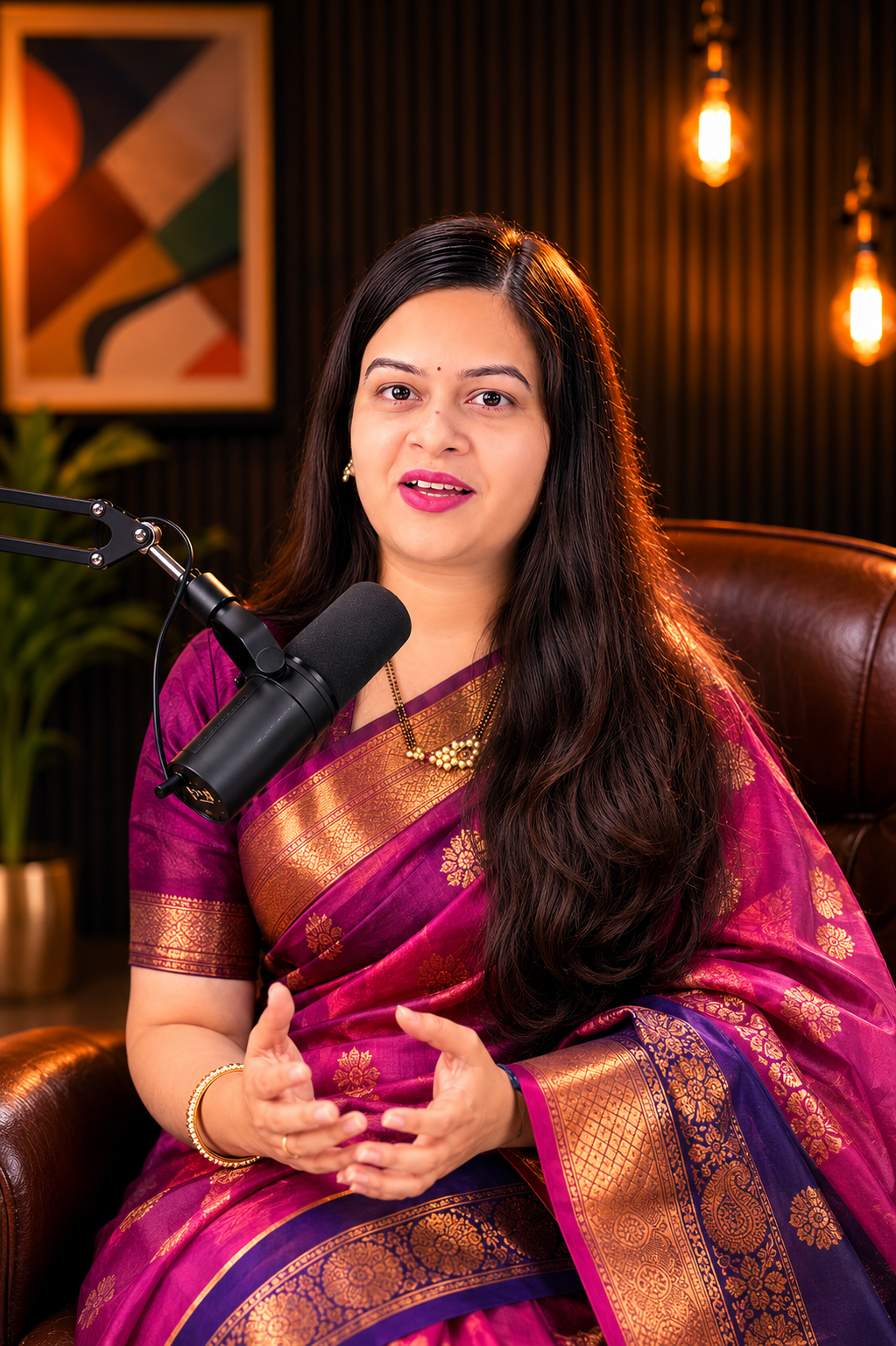
Dr Rucha Mehendale Pai
BAMS (Ayurvedacharya) · Nadi Parikshan Expert
Dr Rucha is an Ayurvedic physician with over a decade of clinical practice in women’s health, digestion and lifestyle wellness, and the formulator behind Tanvi Herbals’ Tanvishataa. She writes to bring authentic, everyday Ayurveda to families across India.