
Wellness
Is Ayurvedic Medicine Safe? An Honest, Doctor-Led Answer


Key takeaways
- Ayurveda's own classical texts never claimed every herb is automatically safe for everyone — safety has always depended on the right herb, the right dose, the right person and a qualified physician's guidance.
- Genuine safety markers to check for in any herbal product: a valid manufacturing licence, GMP certification, and a transparent, honest ingredient list — not vague "proprietary blends".
- Real warning signs include guaranteed-cure claims, hidden or undeclared ingredients, and any suggestion that you stop your prescribed medicine.
- An Ayurvedic wellness product is meant to support daily wellbeing as part of a routine — it is not a substitute for medical treatment, and pregnancy, lactation, chronic illness or ongoing medication always call for a doctor's advice first.
Why do so many people quietly worry about this?
It is one of the most common questions I get asked, often in a lowered voice, as though it were slightly embarrassing to ask. It isn't. Families have grown up trusting Ayurveda, and yet the market today is full of products making bold promises with little behind them — so the worry is completely reasonable. An honest answer starts by admitting that not everything sold as "Ayurvedic" is made the same way.
The good news is that Ayurveda itself gives us the tools to tell the difference. The classical texts were never careless about safety — they were, if anything, unusually precise about it.
What does "safe" actually mean in classical Ayurveda?
Ayurveda never treated herbs as universally harmless. The Charaka Samhita devotes real attention to matra — the correct dose — recognising that even a beneficial substance, used wrongly, can do more harm than good. Safety, in this view, is not a fixed property of a herb; it is a relationship between the herb, the dose, the person's constitution (prakriti) and their current condition, decided with a qualified vaidya's guidance.
What should you actually look for in a genuine herbal product?
Whatever the brand, a handful of practical markers tell you whether a product is likely to be made responsibly.
- A valid state manufacturing licence for the product (displayed, not hidden)
- GMP (Good Manufacturing Practices) certification for the facility
- A clear, honest ingredient list with real proportions — not a vague "proprietary herbal blend"
- Dosage and usage instructions that reference a physician's guidance, not a fixed miracle schedule
- A brand willing to say what the product does not do, as clearly as what it does
What are the real warning signs to watch for?
This is where an honest answer has to be a little uncomfortable. Some products sold as "Ayurvedic" have, in the past, been found adulterated with undeclared steroids or heavy metals to fake fast results — a serious safety risk that has nothing to do with genuine Ayurveda. The warning signs are usually visible if you know to look.
- Guarantees of a cure, or promises of results within a fixed number of days
- No visible manufacturing licence number or GMP certification
- Instructions to stop your prescribed allopathic medicine
- Ingredient lists that are vague, missing, or change between the box and the website
- Claims that sound too dramatic for a wellness supplement — "treats all disease", "100% side-effect free"
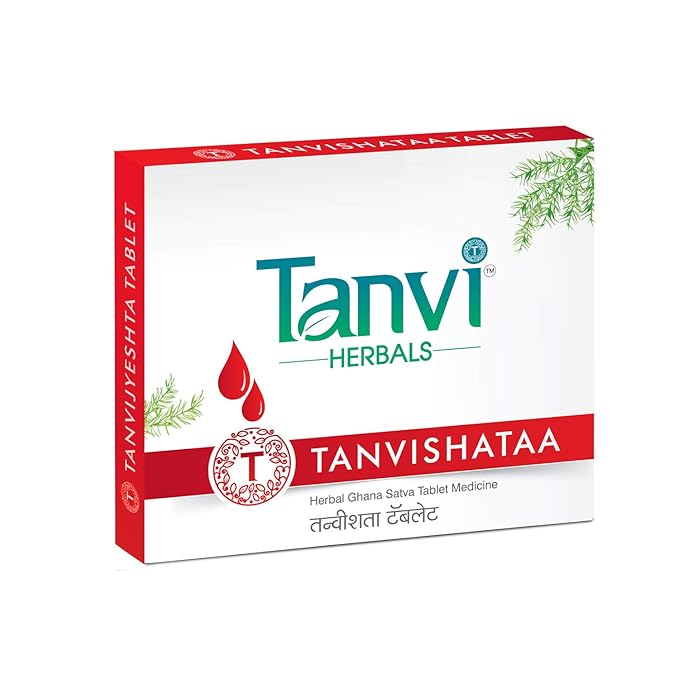
Where does Tanvishataa fit into this picture?
I built Tanvishataa to hold itself to the standard I ask every family to look for. It is manufactured under a valid state licence and a GMP-certified process by Tanvi Collection (India) Pvt. Ltd. The composition is stated plainly — each tablet is prepared from Shatavari (Asparagus racemosus, root, 80%), Guduchi/Gulvel (Tinospora cordifolia, stem, 15%) and Anantmul/Sariva (Hemidesmus indicus, root, 5%), made by the classical Ghana Satva (concentrated extract) method, with no undeclared ingredients.
It is offered honestly, too: as a herbal wellness supplement traditionally used to support digestion, immunity and everyday resilience as part of a daily routine — not as a cure for any disease, and not as a replacement for medicine your doctor has prescribed.
Who should be extra careful, and when should you check with a doctor first?
Even a well-made herbal supplement is not automatically right for every situation. If you are pregnant or breastfeeding, managing a chronic condition, taking regular medication, or considering a herbal product for a child or an elderly family member, speak to a qualified doctor before starting anything new. Never stop a prescribed medicine on your own to try a herbal alternative — the two are not meant to compete; genuine Ayurveda works alongside medical care, not instead of it.
When should you see a doctor rather than reach for a supplement?
A wellness routine supports everyday health; it does not diagnose or treat illness. Persistent or severe symptoms, unexplained weight change, fever that doesn't settle, or any condition that is getting worse needs a qualified doctor's assessment, not a supplement. If you experience any unexpected reaction after starting a herbal product, stop and consult your physician.
References & further reading
- Charaka Samhita — the principle of matra (correct dosage) and individual suitability (classical Ayurvedic text).
- Ashtanga Hridaya by Vagbhata — diagnosis and herb selection guided by a qualified vaidya (classical Ayurvedic text).
- Sushruta Samhita — prakriti (individual constitution) and its bearing on suitable treatment (classical Ayurvedic text).
- These references describe traditional Ayurvedic concepts and are not statements of medical fact.
Ayurvedic wellness tips, guides and stories — in your language.
Buy NowFrequently asked questions
Is Ayurvedic medicine safe for everyday use?+
A genuine, well-manufactured Ayurvedic wellness product — used at the right dose, for the right person, as advised by a physician — is traditionally considered part of a safe daily routine. Safety depends on how the product is made and how it is used, not on the word "Ayurvedic" alone.
Can Ayurvedic products have side effects?+
Any substance, herbal or otherwise, can be unsuitable for some people or in the wrong dose. That is exactly why classical Ayurveda emphasises matra (correct dosage) and individual suitability, and why a qualified physician's guidance matters — especially if you are pregnant, breastfeeding, or managing a chronic condition.
Can I take Ayurvedic and allopathic medicine together?+
Many people do, under medical guidance. Never stop a doctor-prescribed medicine on your own to switch to a herbal product. Speak to your physician about how any new supplement fits alongside your current treatment.
How do I know if an Ayurvedic product is genuine and safe?+
Look for a valid state manufacturing licence, GMP certification, a clear and honest ingredient list, and dosage guidance that points you to a physician rather than a fixed miracle timeline. Be cautious of guaranteed cures, hidden ingredients, or advice to stop prescribed medicine.
Is Tanvishataa safe to take long term?+
Tanvishataa is manufactured under a valid licence and GMP-certified process, with a transparent, real ingredient list. It is a wellness supplement traditionally used to support digestion and immunity as part of a daily routine — taken as advised by your physician, and not intended as a substitute for medical treatment.
Dr Rucha Mehendale Pai
BAMS (Ayurvedacharya) · Nadi Parikshan Expert
Dr Rucha is an Ayurvedic physician with over a decade of clinical practice in women’s health, digestion and lifestyle wellness, and the formulator behind Tanvi Herbals’ Tanvishataa. She writes to bring authentic, everyday Ayurveda to families across India.