
Wellness
Can You Take Ayurvedic and Allopathic Medicine Together?
Key takeaways
- Ayurveda and allopathy are not inherently incompatible — many Indian families use both, but individual suitability and the specific medicines involved matter.
- Ayurveda's own classical principle of matra (the right dose for the right person) is the foundation of using any herbal substance safely, including alongside other treatment.
- The one rule that matters most: never stop or reduce prescribed allopathic medicine on your own, and always tell both your doctor and your Ayurvedic physician what you are taking.
- If you are on regular medication for a diagnosed condition, speak to your doctor before adding any new herbal supplement, including Tanvishataa.
Why does this question come up so often?
It's usually a parent managing blood pressure medication, a grandparent on thyroid tablets, or someone recovering from an illness who has heard about an Ayurvedic herb and wants to try it — while continuing whatever their physician has already prescribed. It's a sensible question to ask, and it deserves a straightforward, honest answer rather than a blanket yes or no.
Are Ayurveda and allopathy really incompatible?
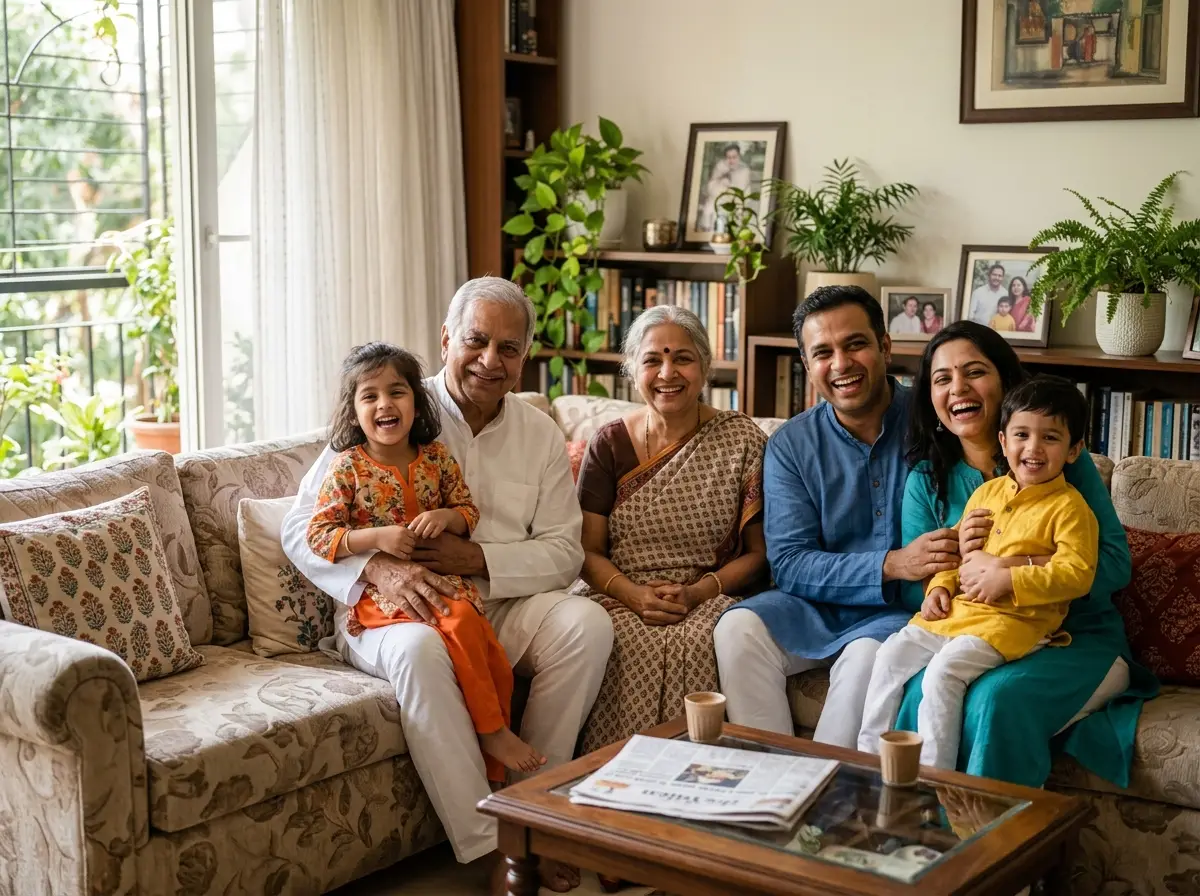
Not automatically. Across India, it is common for families to use Ayurvedic wellness practices — herbs, diet, daily routine — alongside allopathic treatment prescribed by their doctor. The two systems approach the body differently, but using one does not mean abandoning the other. What actually determines whether it's appropriate is the specific medicines involved, the person's health condition, and whether both the treating doctor and the Ayurvedic physician know the full picture.
This is different from claiming that Ayurveda can replace allopathic treatment for a diagnosed disease — it cannot, and no responsible Ayurvedic physician would suggest that.
What Ayurveda itself says about combining treatments
Classical Ayurveda was never a one-size-fits-all system. Charaka Samhita repeatedly emphasises the principle of matra — that a dravya (any substance, herbal or otherwise) must be given in the right amount, to the right person, considering their constitution (prakriti), digestive strength (agni), age and current state of health. The same text describes how a physician must assess the individual before recommending anything — the opposite of a generic, everyone-takes-the-same-thing approach.
Should you leave a gap between doses?
Many practitioners suggest a gap of roughly 30 to 45 minutes between an Ayurvedic preparation and an allopathic tablet, simply as a general precaution rather than a strict rule backed by trial data for every combination. This is a starting point to discuss with your doctor or vaidya — not a substitute for asking about your specific medicines. Some combinations may need a longer gap, closer monitoring, or may not be advisable at all, which is exactly why this decision shouldn't be made on your own.
The one rule that matters most
If there is a single rule to take away from this article, it is this: never stop, reduce, or replace a prescribed allopathic medicine on your own because you've started an Ayurvedic supplement — and never do the reverse either. This applies especially to medication for blood pressure, thyroid, diabetes management, heart conditions, or any other condition under a doctor's ongoing care. Stopping prescribed treatment without medical guidance can be genuinely dangerous, regardless of what you replace it with.
The safest approach is transparency in both directions: tell your treating doctor what Ayurvedic products you're taking, and tell your Ayurvedic physician what allopathic medicines you're on. A good practitioner on either side will want this information, not discourage you from sharing it.
What genuine red flags actually look like
- A product that claims it can replace your diabetes, BP, or thyroid medicine
- Unlabelled or vaguely labelled products with no listed ingredients, batch number, or manufacturing licence
- Sudden, dramatic 'results' reported after using an unregulated herbal mixture — a known warning sign that undeclared steroids or other drugs may have been added
- Being told to stop your prescribed treatment because 'herbs are natural and safer'
- No willingness from the seller to state exactly what's in the product
A genuine Ayurvedic product will have a disclosed composition, a valid manufacturing licence, and a maker willing to say plainly what it is traditionally used for — and, just as importantly, what it is not a substitute for.
Where does Tanvishataa fit into this?
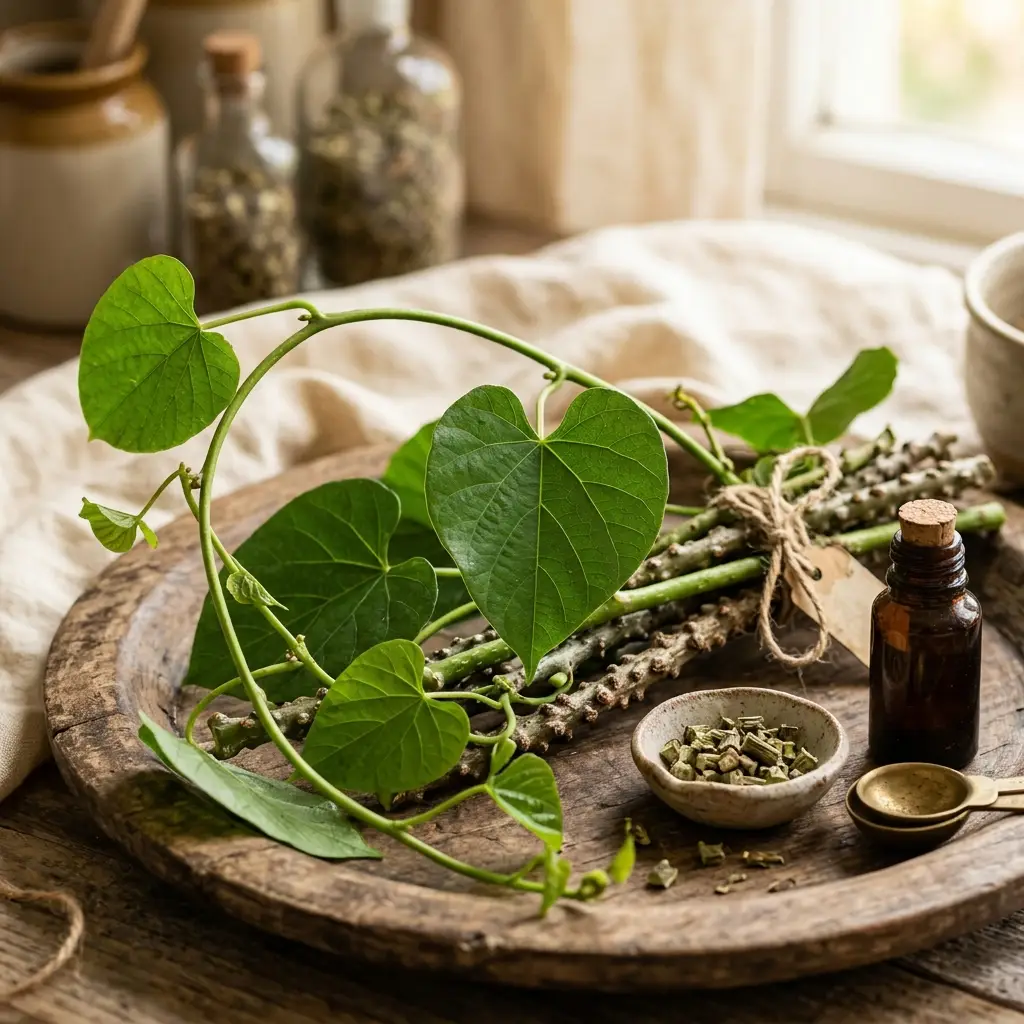
Tanvishataa is a herbal wellness supplement — 100mg of extract per tablet, made from Shatavari, Guduchi (Gulvel) and Anantmul in a disclosed ratio, prepared using the classical Ghana Satva method, manufactured under a valid Ayurvedic manufacturing licence. It is traditionally used to support everyday nourishment and wellness as part of a balanced routine — not a treatment for diabetes, blood pressure, thyroid disorders, or any other diagnosed disease, and not a replacement for medicine your doctor has prescribed.
We don't have data on how Tanvishataa interacts with every allopathic medicine on the market — no herbal brand honestly can. If you are on regular medication for any diagnosed condition, or are pregnant or breastfeeding, please speak to your doctor and a qualified Ayurvedic physician before starting Tanvishataa, exactly as you would before starting any new supplement.
When should you speak to a doctor before combining anything?
Before combining any Ayurvedic product with medication you're already on — always, not just when something feels wrong. This matters most if you're managing a chronic condition, are on multiple medications, are pregnant or breastfeeding, or are considering it for a child or elderly family member. A short conversation with your doctor or a qualified Ayurvedic physician is a small step that avoids the real risks of guessing.
References & further reading
- Charaka Samhita, Sutra Sthana — the classical principle of matra (correct dosage for the individual) and the physician's duty to assess constitution before recommending any dravya (classical Ayurvedic text).
- Ashtanga Hridaya by Vagbhata, Sutra Sthana — classical guidance on individualised assessment of the patient's condition before treatment (classical Ayurvedic text).
- Sushruta Samhita, Sutra Sthana — classical emphasis on a physician's responsibility to fully understand a patient's condition before advising treatment (classical Ayurvedic text).
- These references describe traditional Ayurvedic principles and are not statements of medical fact about drug interactions.
Ayurvedic wellness tips, guides and stories — in your language.
Buy NowFrequently asked questions
Can I take Ayurvedic medicine along with my BP, diabetes, or thyroid medicine?+
Many people do use Ayurvedic wellness supplements alongside prescribed treatment, but this should always be discussed with your treating doctor first. Never stop or reduce your prescribed medicine to start an Ayurvedic product.
Is there a fixed gap I should leave between Ayurvedic and allopathic doses?+
Many practitioners suggest a general gap of around 30–45 minutes as a precaution, but this isn't a fixed rule for every combination. Ask your doctor or Ayurvedic physician about the right spacing for your specific medicines.
Should I tell my doctor if I'm taking an Ayurvedic supplement?+
Yes, always. Transparency with both your doctor and your Ayurvedic physician about everything you're taking is the single most important safety step you can take.
Can Ayurveda and allopathy really be used together safely?+
The two systems are not automatically incompatible, and many Indian families use both. Safety depends on the individual, the specific medicines involved, and keeping both practitioners informed — it isn't a blanket yes for every combination.
Does Tanvishataa interact with other medicines I'm taking?+
We don't have interaction data for every allopathic medicine, so if you're on regular medication for a diagnosed condition, or are pregnant or breastfeeding, please consult your doctor and a qualified Ayurvedic physician before starting Tanvishataa.
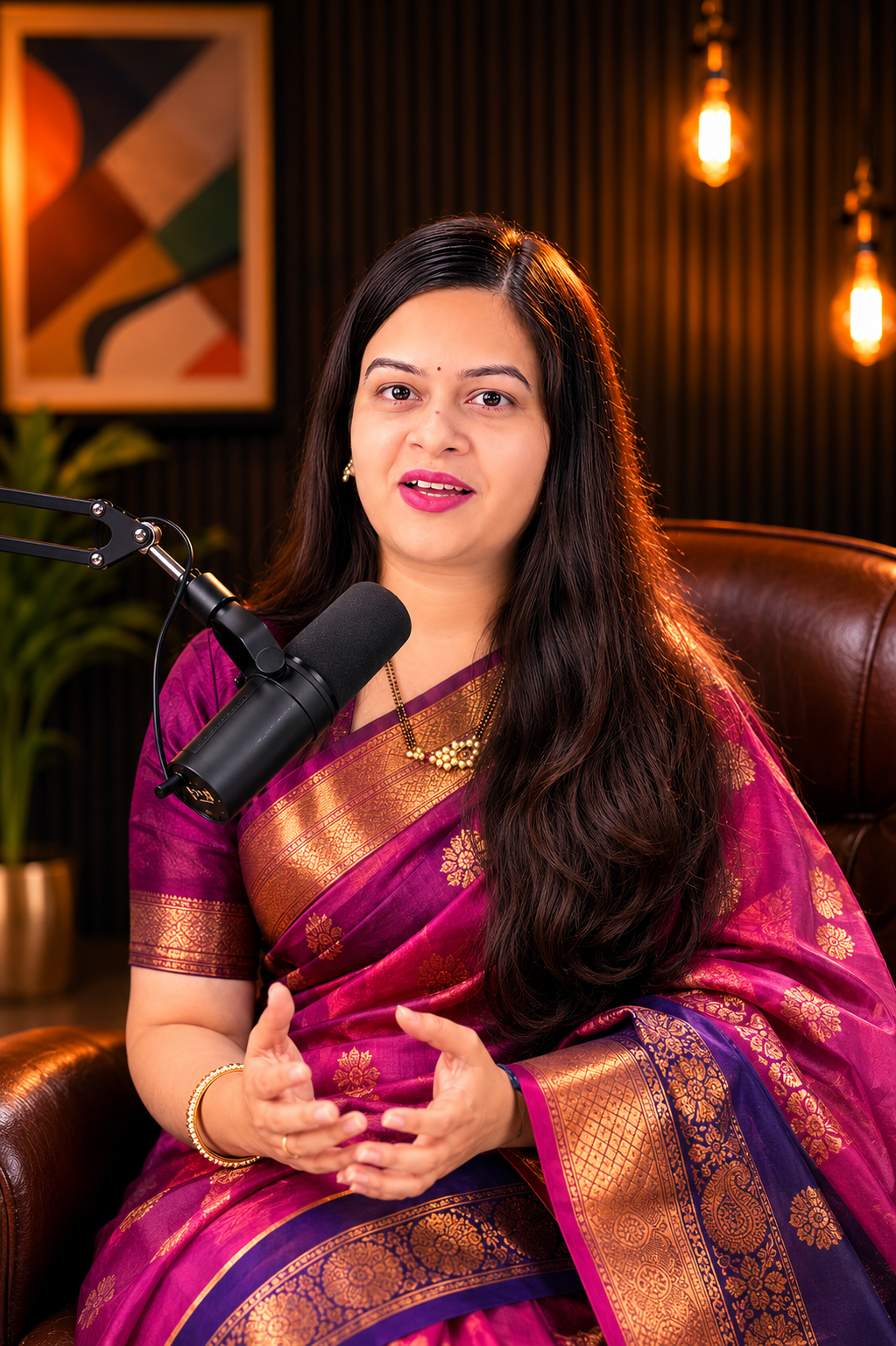
Dr Rucha Mehendale Pai
BAMS (Ayurvedacharya) · Nadi Parikshan Expert
Dr Rucha is an Ayurvedic physician with over a decade of clinical practice in women’s health, digestion and lifestyle wellness, and the formulator behind Tanvi Herbals’ Tanvishataa. She writes to bring authentic, everyday Ayurveda to families across India.