
Wellness
One Family, Many Ages: An Ayurvedic View of Wellness Across Life Stages
Key takeaways
- Classical Ayurveda describes three broad life stages — childhood, adulthood and old age — each traditionally linked to a different dominant dosha and different care needs.
- Some foundations, like regular meal timing and sleep, are traditionally useful at every age; others, like herbal supplementation, need to be personalised by life stage and health status.
- Tanvishataa's herbs are traditionally intended for adults; children, pregnant or breastfeeding women, and anyone on regular medication should consult a doctor before use.
- Ayurveda is not a one-size-fits-all system — a doctor's assessment of age, constitution and current health matters more than following a routine because 'everyone else' in the family does.
One house, three very different bodies
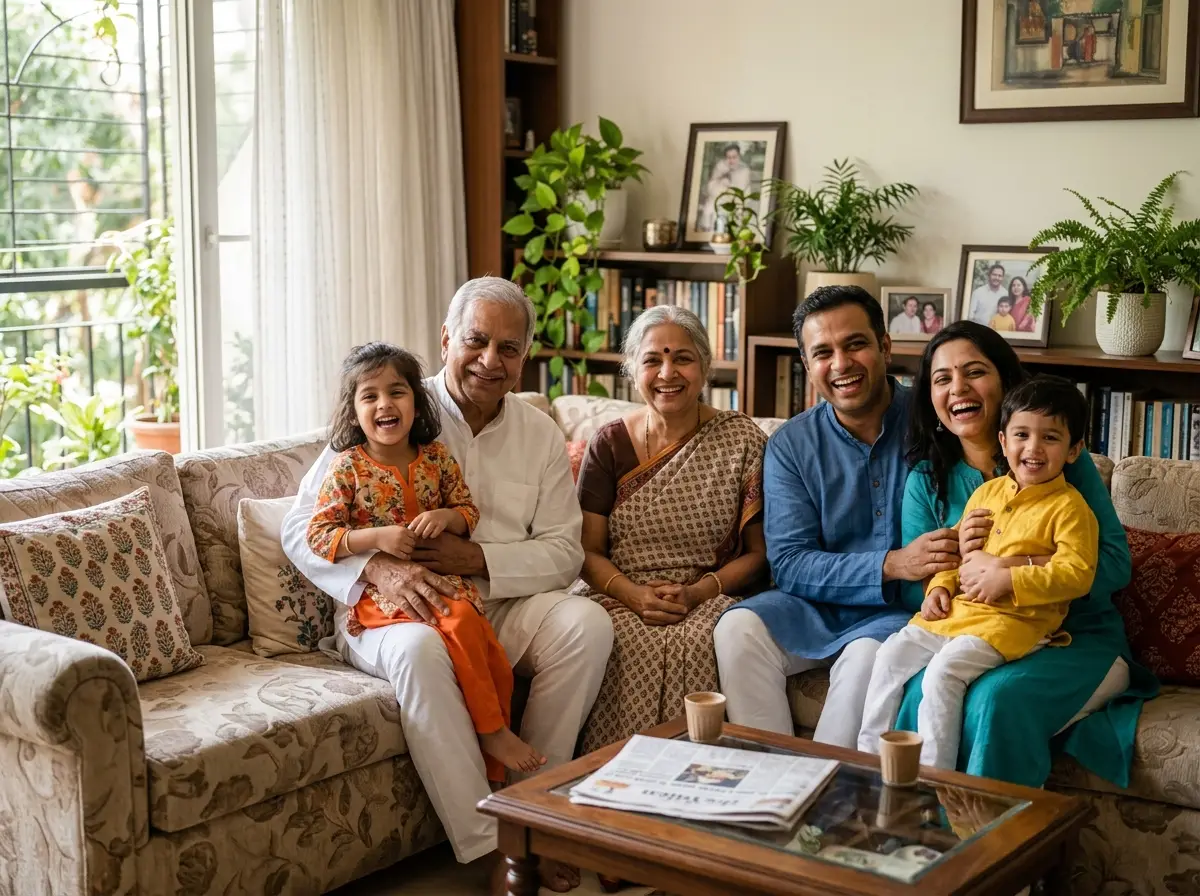
Walk into any Indian household and you'll usually find at least three generations navigating the day differently under one roof — a young adult racing between meetings, a parent stretched between work, kids and ageing parents, and grandparents moving at their own, gentler pace. It's tempting to reach for the same wellness routine, or the same bottle on the kitchen shelf, for everyone. Ayurveda's classical texts suggest that's not quite how the body works.
What Ayurveda actually says about age
Classical Ayurveda broadly describes three life stages — bala (childhood), madhya or yuva (adulthood) and vriddhavastha (old age) — and traditionally links each to a dominant dosha: Kapha in childhood (growth, building tissue), Pitta through youth and midlife (metabolism, transformation, drive), and Vata in later years (lighter tissue, more variable digestion and energy). This is a classical framework for understanding tendencies, not a rulebook that applies identically to every individual — a doctor's assessment of a person's actual constitution and health always matters more than their age alone.
What actually stays the same for everyone in the house
Despite these differences, a few dinacharya (daily routine) foundations are traditionally considered useful at almost any age: eating at roughly consistent times, not skipping meals only to overeat later, getting enough sleep on a fairly regular schedule, and not exercising or eating in ways that clearly disagree with the body. These are the habits worth building as a genuinely shared family routine — not a supplement, but a rhythm.
What Ayurveda says changes by life stage
Where things diverge is in what each stage traditionally needs more of. A growing child's requirements around nourishment and immunity are different from a working adult managing a demanding schedule and irregular meals, which are again different from an older parent whose digestion and energy have traditionally slowed and who may be managing one or more long-term health conditions and their prescribed medicines.
- Young adults and children: growth, immunity and building good habits early — under a paediatrician's or Ayurvedic doctor's guidance, not self-directed supplementation.
- Working-age adults: managing digestion, energy and stress through an often irregular routine — the stage most dinacharya and Rasayana advice traditionally speaks to.
- Elders: gentler routines, warmer and lighter food, and extra caution around any new supplement alongside existing prescribed medicines.

Where does Tanvishataa fit into a family routine?
Tanvishataa combines Shatavari, Guduchi and Anantmul, traditionally used to support women's everyday energy and balance, healthy digestion, and general wellness respectively, prepared using the classical Ghana Satva (concentrated extract) method. It is formulated for adults and traditionally taken as two tablets twice daily after meals with water for the first three months, then one tablet twice daily as maintenance, or as advised by your physician. It is not formulated or tested for children, and is not a substitute for a paediatrician's or geriatric physician's care.
Who in the family needs extra care before starting any supplement?
A few groups need a doctor's involvement before adding any new herbal supplement to their routine, regardless of how well it may suit another family member:
- Children and adolescents — always consult a paediatrician or qualified Ayurvedic doctor first.
- Anyone who is pregnant or breastfeeding.
- Elders already taking multiple prescribed medicines (polypharmacy) — a doctor can check for any relevant precautions.
- Anyone managing a diagnosed chronic condition, who should continue prescribed treatment and never stop or replace it with a herbal supplement on their own.
When should a family member see a doctor rather than try a routine change?
Ayurvedic daily-routine advice is meant to support general wellness, not replace medical care. If any family member — child, adult or elder — has persistent symptoms, a new or worsening health complaint, unexplained weight change, or is due for a routine check-up, see a doctor rather than waiting to see if a routine or supplement helps first.
References & further reading
- Charaka Samhita, Vimana Sthana — classical description of life stages (bala, madhya, vriddha) and how bodily strength and dosha balance shift with age (classical Ayurvedic text).
- Ashtanga Hridaya by Vagbhata, Sutra Sthana — dinacharya (daily routine) principles adapted to age and constitution (classical Ayurvedic text).
- Sushruta Samhita, Sutra Sthana — classical association of Kapha with childhood, Pitta with youth/middle age, and Vata with old age (classical Ayurvedic text).
- These references describe traditional Ayurvedic concepts and are not statements of medical fact.
Ayurvedic wellness tips, guides and stories — in your language.
Buy NowFrequently asked questions
Can children take Tanvishataa?+
No. Tanvishataa is formulated for adults and has not been prepared or tested for children. Consult a paediatrician or a qualified Ayurvedic doctor before considering any supplement for a child.
Does Ayurveda really have different advice for different ages?+
Yes. Classical texts describe age-linked dosha tendencies — Kapha in childhood, Pitta in youth and midlife, Vata in old age — though an individual's own constitution and health matter as much as their age.
Is Tanvishataa the same for every adult in the family?+
The herbs are broadly the same, but suitability, dosage and routine should be personalised — especially for elders, pregnant or breastfeeding women, or anyone on regular medication. Consult a doctor first.
What is the one Ayurvedic habit that helps everyone in the family?+
Keeping meal and sleep times fairly regular. This dinacharya foundation is traditionally considered useful at almost every life stage.
Does this replace paediatric or geriatric medical care?+
No. Tanvishataa is a herbal wellness supplement traditionally used to support everyday nourishment and routine in adults — it does not replace the care of a paediatrician, geriatric physician or any other doctor.
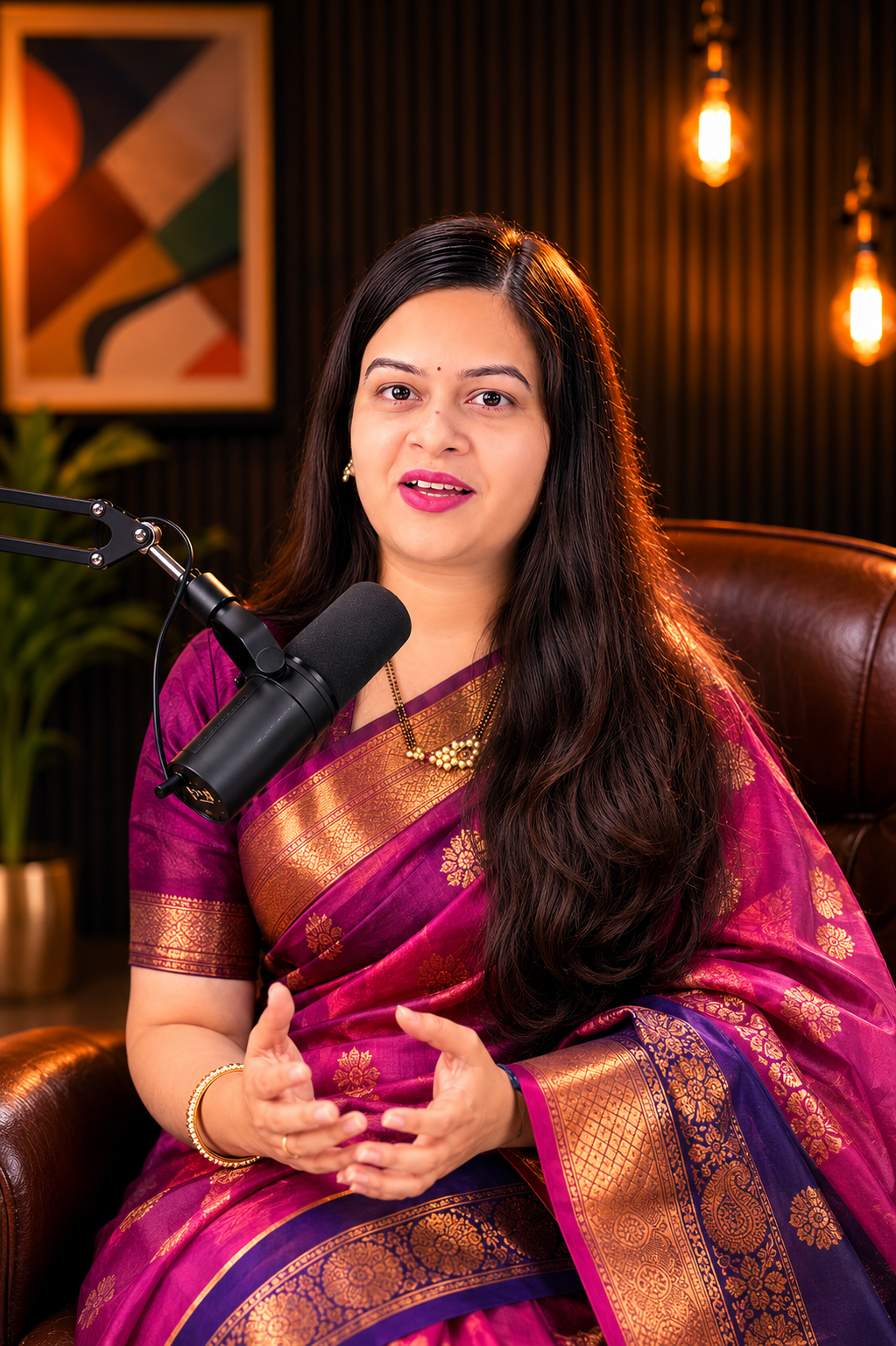
Dr Rucha Mehendale Pai
BAMS (Ayurvedacharya) · Nadi Parikshan Expert
Dr Rucha is an Ayurvedic physician with over a decade of clinical practice in women’s health, digestion and lifestyle wellness, and the formulator behind Tanvi Herbals’ Tanvishataa. She writes to bring authentic, everyday Ayurveda to families across India.