
Acidity & Digestion
That Burning After Lunch: An Ayurvedic Guide to Everyday Acidity

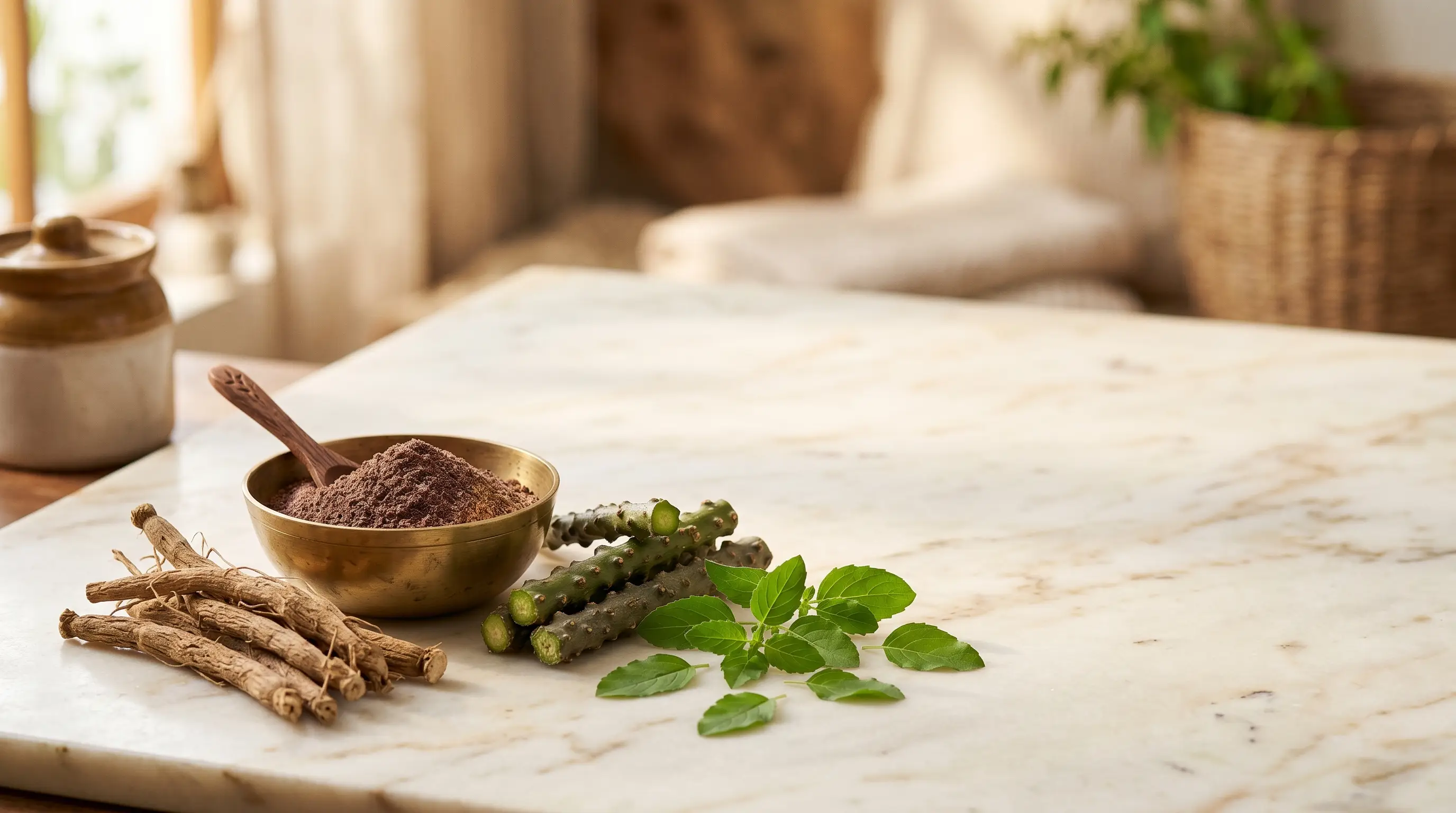
Key takeaways
- In Ayurveda, everyday acidity is linked to aggravated Pitta and an imbalanced digestive fire, called agni.
- Daily rhythm — when and how you eat — often matters more than any single remedy.
- Cooling, soothing herbs like Shatavari and Guduchi (Gulvel) are traditionally used to support comfortable digestion.
- Tanvishataa combines these herbs; use it as part of a routine, and see a physician for persistent or severe symptoms.
The 3 p.m. burn nobody talks about
You know the feeling. It’s mid-afternoon, lunch was a little late and a little spicy, and now there’s a warm, sour tightness rising in your chest. You sip some water, shift in your chair, and tell yourself it’s nothing. For millions of Indians, that quiet discomfort is a daily companion — after lunch, after a wedding feast, after one cup of chai too many on an empty stomach.
Acidity is so common that we’ve stopped taking it seriously. But Ayurveda has been paying close attention to exactly this feeling for thousands of years — and its view is surprisingly practical.
What Ayurveda says is really happening
In Ayurvedic understanding, digestion is governed by agni — the “digestive fire” that transforms food into nourishment and energy. When agni burns steadily, we feel light, energetic and clear. When it’s disturbed — by irregular meals, too much heat, stress or haste — that fire can flare or smoulder, and the result is the sourness and heat we call acidity.
This is closely tied to Pitta, the dosha associated with heat and transformation. When Pitta becomes aggravated, the classical physicians described a condition of sourness called amlapitta — literally “sour-Pitta”.
You don’t need to memorise the Sanskrit. The practical takeaway is simple: acidity is usually less about a single bad meal and more about the rhythm and heat of how we eat and live.
Five everyday habits that calm the fire
Before reaching for anything else, these small, consistent changes are where Ayurveda would start. None of them are dramatic — and that’s exactly the point.
1. Eat on a rhythm
Agni, like any fire, likes regularity. Eating your main meals at roughly the same times each day — and not skipping lunch only to overeat at night — gives your digestion a steady job instead of a series of shocks.
2. Sip warm water, not iced
Very cold drinks are thought to dampen the digestive fire. Through the day, small sips of warm or room-temperature water are gentler, and traditionally favoured for keeping digestion comfortable.
3. Don’t lie down right after eating
Lying flat straight after a meal makes it easy for that sour feeling to rise. A short, slow walk — the classic shatpavali, “a hundred steps” after dinner — is a centuries-old habit worth keeping.
4. Cool it down when it flares
On days when acidity is up, favour cooling, simple foods over fried, very spicy or sour ones. This isn’t forever — just a gentle pause to let things settle.
5. Wind down — stress feeds the fire
Pitta and stress are old friends. A few quiet minutes, slower breathing, and an earlier night do more for everyday acidity than most people expect.
- Eat at regular times — don’t skip then binge
- Warm water over iced
- Walk a little after meals; don’t lie down
- Go cooling and simple when flared
- Protect your sleep and your calm
Where herbs fit — the Ayurvedic toolkit
Alongside habits, Ayurveda has always leaned on herbs traditionally considered cooling and soothing for an aggravated Pitta. Three appear again and again — and they happen to be the heart of Tanvishataa.
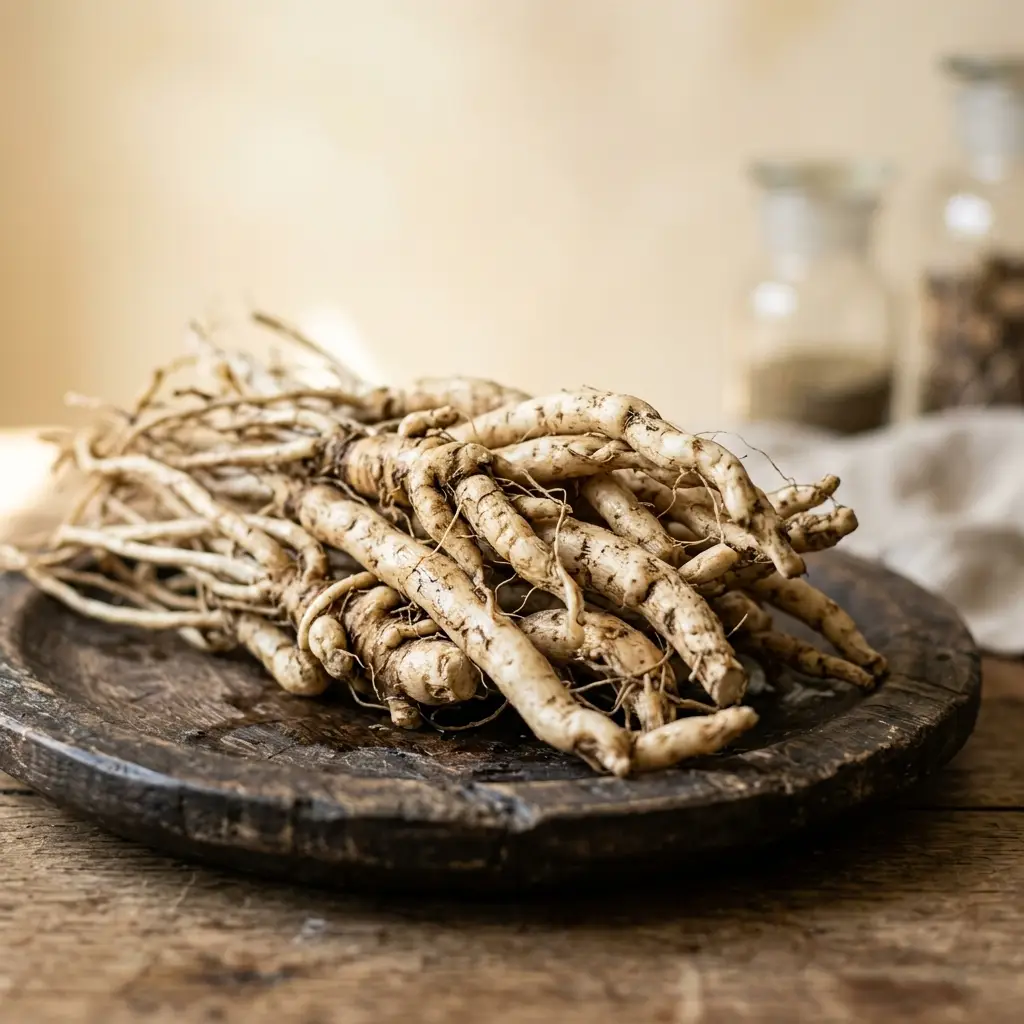
Shatavari (Asparagus racemosus) is a classical Rasayana, prized for its cooling, soothing quality. Guduchi or Gulvel (Tinospora cordifolia) is one of Ayurveda’s great balancers, traditionally used to steady the system. Anantmul (Hemidesmus indicus) is valued for its cooling, cleansing nature.
How a herbal companion like Tanvishataa fits your day
Tanvishataa brings these three herbs together in a small daily tablet, using the traditional “Ghana Satva” method that concentrates them into a potent extract. It’s designed to sit quietly inside a healthy routine — taken generally as two tablets twice a day after meals with water — supporting comfortable digestion rather than promising an overnight fix.
It is not a cure for any condition, and it works the way Ayurveda works best: gently, consistently, over time, alongside the habits above.
“Best natural supplement to include in your daily life. Works for me on acidity, energy through the day, and skincare.”— Richa Salunke, verified customer
When to see a doctor — not a tablet
Everyday, occasional acidity is one thing. Frequent, severe or persistent symptoms — especially with weight loss, difficulty swallowing, vomiting, or pain that wakes you at night — are your body asking for a proper medical check, not a supplement. Please see a qualified physician. Ayurveda and modern medicine work best as partners, not rivals.
References & further reading
- Charaka Samhita, Sutrasthana — concepts of agni and digestion (classical Ayurvedic text).
- Sushruta Samhita — Pitta dosha and its role in transformation (classical Ayurvedic text).
- Ashtanga Hridaya by Vagbhata — daily routine (dinacharya) and dietary guidance (classical Ayurvedic text).
- These references describe traditional Ayurvedic concepts and are not statements of medical fact.
Ayurvedic wellness tips, guides and stories — in your language.
Buy NowFrequently asked questions
Is acidity the same as acid reflux?+
They overlap. “Acidity” is the everyday word for that sour, burning feeling; persistent acid reflux (GERD) is a medical condition. Occasional acidity can often be eased with habits; frequent reflux should be assessed by a doctor.
Does Tanvishataa cure acidity?+
No. Tanvishataa is a herbal wellness supplement traditionally used to help maintain comfortable digestion as part of a routine. It is not a treatment for any disease — please see a physician for persistent symptoms.
When should I take Tanvishataa for digestion?+
Generally two tablets twice a day, after meals, with water — or as advised by your physician.
What foods commonly trigger acidity?+
Very spicy, fried, sour or fermented foods, excess tea or coffee on an empty stomach, irregular meals and late dinners are common everyday triggers for many people.
Can I take it every day?+
It is formulated as a gentle daily supplement. Use the suggested amount and consult a physician if you have a medical condition, are pregnant or breastfeeding, or take regular medication.
Dr Rucha Mehendale Pai
BAMS (Ayurvedacharya) · Nadi Parikshan Expert
Dr Rucha is an Ayurvedic physician with over a decade of clinical practice in women’s health, digestion and lifestyle wellness, and the formulator behind Tanvi Herbals’ Tanvishataa. She writes to bring authentic, everyday Ayurveda to families across India.