
Wellness
Stress and Digestion: Why Your Gut Feels Every Deadline


Key takeaways
- Ayurveda has long described manas (the mind) and agni (digestive fire) as connected, with Vata dosha playing a significant governing role in both.
- Stress classically aggravates Vata, and Vata governs the nervous system as well as digestive movement — which is a traditional reason anxious or hurried states are so often felt "in the stomach".
- Simple routine changes — eating without distraction, chewing slowly, keeping meals warm and regular — are traditionally described as ways to help settle Vata and support digestion during stressful periods.
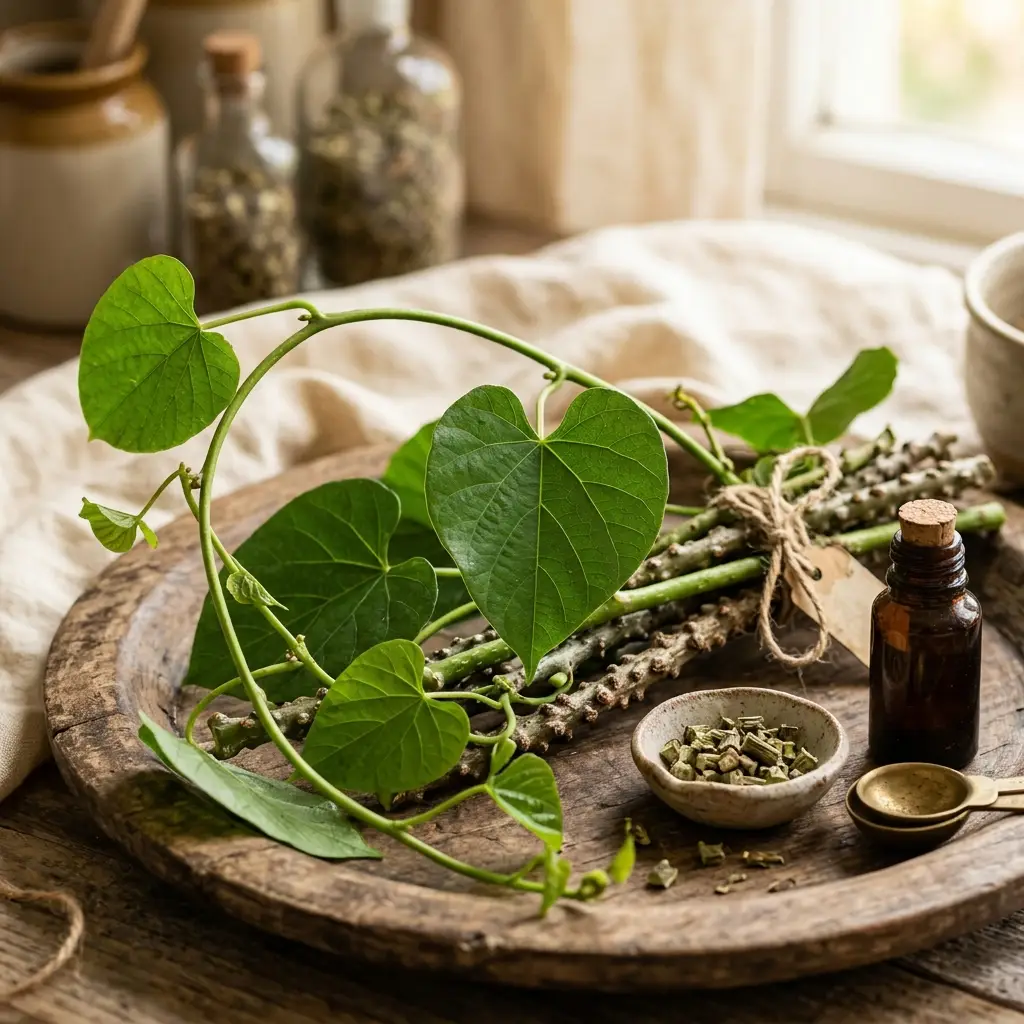
- Guduchi's traditional deepana-pachana (digestion-kindling) quality and Shatavari's calming, nourishing role are among the reasons these two herbs feature in Tanvishataa's formulation, alongside Anantmul.
Why does stress seem to hit the stomach first?
"Doctor, the moment I'm stressed, my stomach is the first to know — before I even realise I'm anxious." I hear a version of this often, especially from patients juggling work deadlines, exams, or family pressures. It isn't a coincidence or "just in your head". Ayurveda has, for centuries, described the mind and the digestive system as closely linked — not two separate departments of the body, but one connected system.
What does Ayurveda say about the mind-digestion connection?
Classical Ayurveda describes the mind (manas) as functioning through the same three doshas — Vata, Pitta and Kapha — that govern the physical body, with Vata holding particular influence over both the nervous system and the movement of digestion (including appetite, peristalsis, and elimination). Because one dosha traditionally influences both domains, a mind under strain and a digestive system under strain are traditionally seen as closely related, not coincidental.
What are the everyday signs that stress is affecting your digestion?
Most people notice this connection through small, familiar patterns rather than a dramatic event. Some common everyday signs include:
- A loss of appetite, or the opposite — reaching for food out of habit rather than hunger, during stressful days.
- Bloating or gas that seems to show up more during exam season, deadline weeks, or family stress.
- That "butterflies" or tight feeling before a difficult conversation, interview, or presentation.
- Irregular bowel habits that shift along with a stressful period, then settle once things calm down.
- A dry mouth, or feeling unusually thirsty, during periods of anxiety or worry.
Why does Vata dosha play such a big role here?
Vata is classically described as chala (mobile), ruksha (dry) and laghu (light) in quality. These same qualities show up in both an anxious mind — quick, scattered, hard to settle — and in an unsettled gut — gas, irregularity, a "fluttery" feeling. When Vata is aggravated by rushing through meals, skipping food altogether, irregular sleep, or ongoing worry, Ayurveda traditionally describes both the mind and the digestive fire (agni) as becoming unsteady together.
What can you do to support digestion during stressful periods?
Ayurveda's approach here is refreshingly practical — small, repeatable habits around how you eat, not just what you eat:
- Eat without your phone, laptop, or a stressful conversation in front of you — even five distraction-free minutes helps.
- Sit down for meals rather than eating standing up or while multitasking, so digestion isn't competing with everything else for attention.
- Chew slowly and don't rush the first few bites — this is traditionally considered important for kindling agni before a meal.
- Favour warm, freshly cooked, simple food over cold, heavy, or highly processed snacks during high-stress weeks.
- Take a few calm breaths before eating rather than eating immediately after an argument, a difficult call, or a stressful task.
What role can Tanvishataa play in this routine?
Tanvishataa is not a treatment for stress or anxiety, and it isn't a substitute for addressing the source of stress in your life. What it offers is traditional herbal support alongside these habits — Guduchi (15% of the concentrated extract) for its traditional deepana-pachana (digestion-kindling) quality, and Shatavari (80%) for its classical Rasayana role in nourishment and calm, alongside Anantmul (5%). Used consistently, as part of a routine rather than a one-off fix, these herbs traditionally support digestive steadiness during demanding periods.
Who should be careful, or check with a doctor first?
If you are pregnant, breastfeeding, managing a chronic condition, or taking regular medication — including medication for anxiety or a diagnosed mental health condition — speak to a qualified doctor before starting Tanvishataa or any new herbal supplement. Never stop a prescribed medicine on your own to try a herbal alternative.
When should you see a doctor rather than rely on routine changes alone?
See a doctor if you notice persistent or worsening abdominal pain, blood in your stool, significant unintended weight loss, prolonged loss of appetite, or symptoms of anxiety or panic that are interfering with your daily life. These deserve proper medical assessment — herbal routine support is not a substitute for that.
References & further reading
- Charaka Samhita — describes the srotas (channels) connecting mind and body, including manovaha srotas, and the doshic basis of mental and digestive function (classical Ayurvedic text).
- Ashtanga Hridaya by Vagbhata — discusses agni, dosha balance, and dinacharya (daily routine) practices traditionally linked to steady digestion (classical Ayurvedic text).
- Sushruta Samhita — references the shared doshic governance of mind and body in classical Ayurvedic physiology (classical Ayurvedic text).
- These references describe traditional Ayurvedic concepts and classification, and are not statements of medical fact about treating stress, anxiety, or any digestive disorder.
Ayurvedic wellness tips, guides and stories — in your language.
Buy NowFrequently asked questions
Why does stress affect digestion, according to Ayurveda?+
Ayurveda describes the mind and digestion as governed by the same doshas, with Vata dosha holding particular influence over both the nervous system and digestive movement. This traditional framework is why stress and digestive upset are often felt together.
What is Vata dosha's role in stress and digestion?+
Vata is classically described as mobile, dry and light in quality. When aggravated by rushing, irregular meals, or ongoing worry, Vata is traditionally associated with both a restless mind and an unsettled digestive system.
Can herbs really help with stress-related digestion issues?+
Certain herbs, like Guduchi, are traditionally valued for their deepana-pachana (digestion-kindling) quality, and others like Shatavari for calming, nourishing support. These are traditional roles, not a treatment for stress, anxiety, or any diagnosed digestive condition.
Is Tanvishataa a treatment for stress or anxiety?+
No. Tanvishataa is a traditional Ayurvedic formulation and does not treat, cure, or prevent stress, anxiety, or any medical condition. It traditionally supports digestive steadiness as part of a daily routine, alongside — never instead of — addressing the underlying source of stress and any prescribed medical care.
What is the one habit that helps most during a stressful week?+
Eating without distraction — sitting down, putting the phone away, and taking a few calm breaths before your first bite — is a simple, traditionally recommended habit that supports agni even on the busiest days.
Dr Rucha Mehendale Pai
BAMS (Ayurvedacharya) · Nadi Parikshan Expert
Dr Rucha is an Ayurvedic physician with over a decade of clinical practice in women’s health, digestion and lifestyle wellness, and the formulator behind Tanvi Herbals’ Tanvishataa. She writes to bring authentic, everyday Ayurveda to families across India.