
Acidity & Digestion
Late Dinners and Acidity: The Ayurvedic Dinacharya Fix
Key takeaways
- Ayurveda describes eating far outside the body's natural mealtime rhythm as vishamashana (irregular or mismatched-time eating) — a traditional cause of digestive disturbance distinct from simply eating too much.
- Agni (digestive fire) is traditionally described as naturally settling in the evening; a heavy meal arriving late, close to bedtime, is traditionally considered harder to process than the same meal eaten earlier.
- Lying down soon after eating is traditionally discouraged in Ayurvedic dinacharya (daily routine) texts — a short walk and a gap before sleep are the classical alternative.
- Guduchi's traditional deepana-pachana (digestive-fire supporting) quality, as part of Tanvishataa and as advised by a physician, traditionally fits into a routine for people who eat dinner later than ideal.
Why does a late dinner always seem to end in acidity?
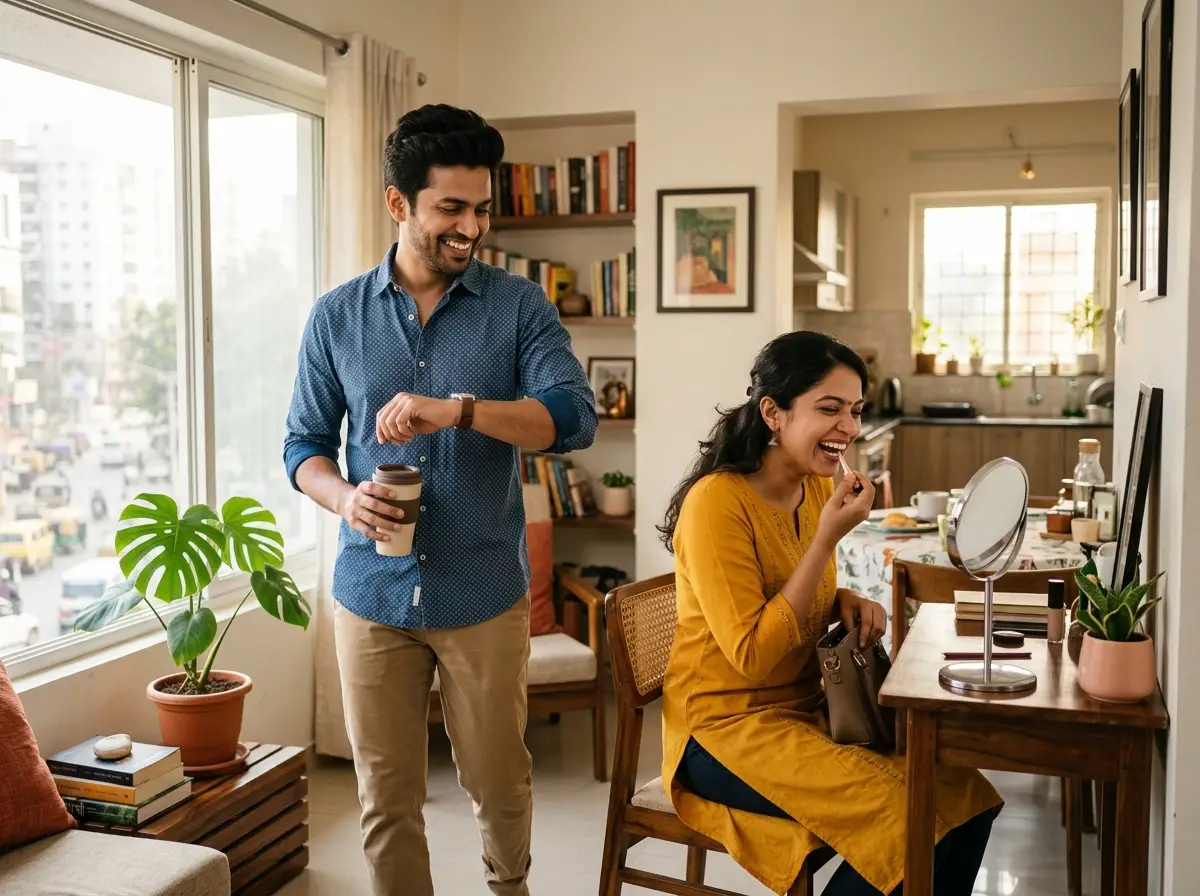
"Doctor, I eat sensibly, I don't overeat — but the moment I lie down after my 10 pm dinner, the burning starts." Dr Rucha hears this often from people with long commutes or late work hours, who eat a completely normal meal but at a very late hour. It isn't a portion problem. Ayurveda has long recognised that when you eat can matter as much as what you eat — and a late dinner followed by lying down is a specific, well-described pattern.
What does Ayurveda call eating dinner very late?
Classical Ayurveda describes several patterns of eating (ashana) that disturb agni (digestive fire) beyond just overeating. One of these is vishamashana — eating at an irregular or mismatched time, out of step with the body's natural rhythm. A dinner eaten at 10 or 11 pm, several hours later than the body's usual evening rhythm expects it, falls into exactly this pattern, regardless of how balanced or light the meal itself is.
Why agni finds a late, heavy dinner harder to handle
Ayurveda traditionally describes agni as following a daily rhythm, much like the rest of the body winds down through the evening. A meal that would digest comfortably at 7 pm is traditionally considered to place more strain on agni at 10 or 11 pm, simply because it arrives as the body is naturally settling for the night rather than actively working. Add richer, heavier food — common at the end of a long day when a home-cooked early dinner isn't practical — and the traditional view is that Pitta, the dosha most linked to digestion, reacts with the familiar burning sensation.
Why acidity gets worse the moment you lie down
Ashtanga Hridaya's dinacharya guidance traditionally advises against lying down immediately after eating, recommending a short period upright and a gap before sleep instead. This is one of the oldest, simplest pieces of classical dinner-timing advice — and it is exactly the habit a late dinner tends to break, since going almost straight to bed is often the only option left once the meal is over. Traditionally, this combination — a late, heavier meal followed immediately by lying flat — is described as doubly taxing for agni.
Simple dinacharya habits for a late-dinner lifestyle
A late dinner isn't always avoidable — Ayurveda's traditional response is to adjust around it, not to add guilt on top of an already long day.
- Where possible, shift dinner even 30–60 minutes earlier — small, consistent shifts matter more than an occasional early night.
- If dinner has to be late, keep it lighter — a simple khichdi-style meal is traditionally easier on agni than a rich, heavy one.
- Take a short, gentle walk (traditionally called shatapavali, roughly a hundred steps) instead of lying down immediately after eating.
- Leave at least 2–3 hours between your last bite and sleep wherever your schedule allows, in line with Ashtanga Hridaya's ratricharya guidance.
- Sip warm water rather than cold drinks with a late meal — cold liquids are traditionally described as slowing agni further.
- Keep your wake-up time steady even on late-dinner nights — a stable dinacharya (daily routine) traditionally helps agni recover faster the next day.
Guduchi's traditional role on late-dinner days
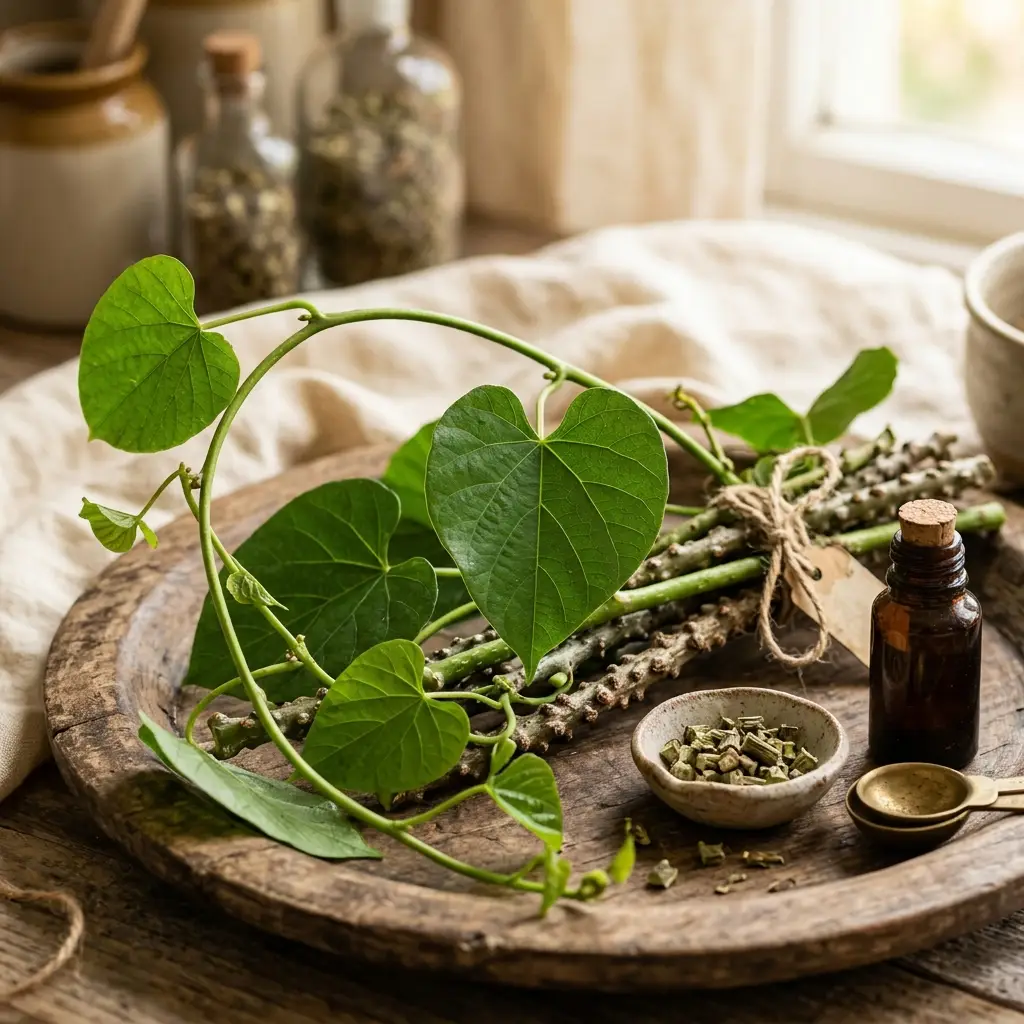
Guduchi (Tinospora cordifolia), one of the three herbs in Tanvishataa, is classically described as deepana-pachana — traditionally supportive of digestive fire and the digestion of food already eaten. On days when dinner arrives later than ideal, this is exactly the kind of everyday support Guduchi's traditional role is associated with, alongside — not instead of — the timing habits above.
Where Tanvishataa fits for a late-dinner lifestyle
Tanvishataa is a daily Ayurvedic wellness tablet, not a fix for any single late meal — its Shatavari, Guduchi and Anantmul are traditionally used for ongoing digestive and wellness support as part of a regular routine, taken as advised by a physician. It is intended to sit alongside sensible dinner-timing habits, not replace the need for them.
Who should be careful with late dinners
If you are pregnant, breastfeeding, or managing a chronic condition such as diabetes, blood pressure, or thyroid, consistent late, heavy dinners deserve extra attention — continue your prescribed treatment exactly as advised, and speak to your doctor before making significant changes to your meal timing or diet. This applies whether or not you take any herbal supplement.
When late-dinner acidity needs more than a routine fix
Occasional acidity after an unavoidably late dinner is common and usually settles on its own. See a doctor rather than relying on home habits alone if you notice persistent or severe burning, vomiting blood, black or tarry stools, unintended weight loss, difficulty swallowing, or chest pain — these need proper medical evaluation regardless of when you last ate.
References & further reading
- Ashtanga Hridaya — describes dinacharya (daily routine) and ratricharya (night routine) guidance favouring a light, early dinner and advising against lying down immediately after eating (classical Ayurvedic text).
- Charaka Samhita, Vimana Sthana, Chapter 1 — describes kala (time of eating) as one of the ashta ahara vidhi visheshayatana, the eight classical factors of dietary rules (classical Ayurvedic text).
- Sushruta Samhita — describes ashana (patterns of eating) including vishamashana (eating at an irregular or mismatched time) among traditional causes of digestive disturbance (classical Ayurvedic text).
- These references describe traditional Ayurvedic concepts and classification, and are not statements of medical fact about any specific product's clinical effect.
Ayurvedic wellness tips, guides and stories — in your language.
Buy NowFrequently asked questions
What is vishamashana in Ayurveda?+
Vishamashana is a classical Ayurvedic term for eating at an irregular or mismatched time — out of step with the body's natural rhythm. A dinner eaten very late at night, several hours after the usual evening mealtime, is a common everyday example. It is a traditional concept describing an eating pattern, not a diagnosis.
Why does lying down after a late dinner make acidity worse?+
Ashtanga Hridaya's dinacharya guidance traditionally advises against lying down immediately after eating. Combined with a late, heavier meal, lying flat soon after is traditionally described as doubly taxing for agni (digestive fire), which is why a short walk and a gap before sleep are the traditional recommendation instead.
Is it better to skip dinner than eat it very late?+
Ayurveda does not recommend skipping meals. If dinner must be late, the traditional approach is to keep it lighter and simpler — such as a khichdi-style meal — rather than skipping it or eating something heavy.
Does Tanvishataa treat acidity from late dinners?+
No. Tanvishataa is a daily Ayurvedic wellness tablet, not a treatment for acidity or a fix for any single late meal. Its Shatavari, Guduchi and Anantmul are traditionally used for ongoing digestive and wellness support as part of a regular routine, alongside sensible dinner-timing habits, and as advised by a physician.
When should late-dinner acidity see a doctor?+
If burning is persistent or severe, or you notice vomiting blood, black stools, unintended weight loss, difficulty swallowing, or chest pain, see a doctor promptly rather than relying on routine changes alone — these symptoms need proper medical evaluation.
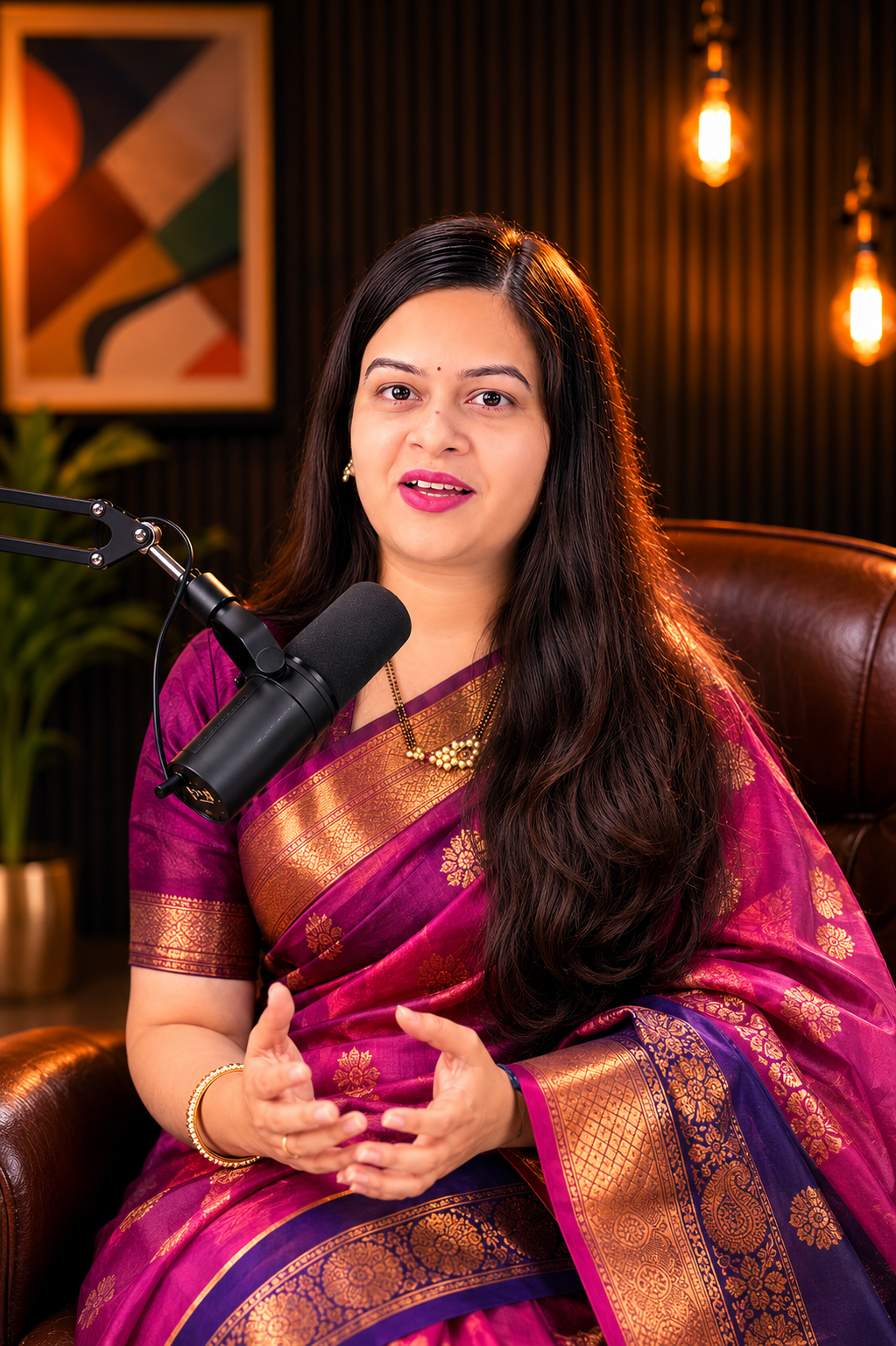
Dr Rucha Mehendale Pai
BAMS (Ayurvedacharya) · Nadi Parikshan Expert
Dr Rucha is an Ayurvedic physician with over a decade of clinical practice in women’s health, digestion and lifestyle wellness, and the formulator behind Tanvi Herbals’ Tanvishataa. She writes to bring authentic, everyday Ayurveda to families across India.